Filter by Brand
Trail Cameras – Wildlife Night Vision Cameras
Trail cameras are remote monitoring devices designed to capture photographs and video when triggered by movement or heat. They form an important part of the wider optics category, providing a practical solution for monitoring wildlife, surveying land and observing activity in locations where continuous human presence is not practical.
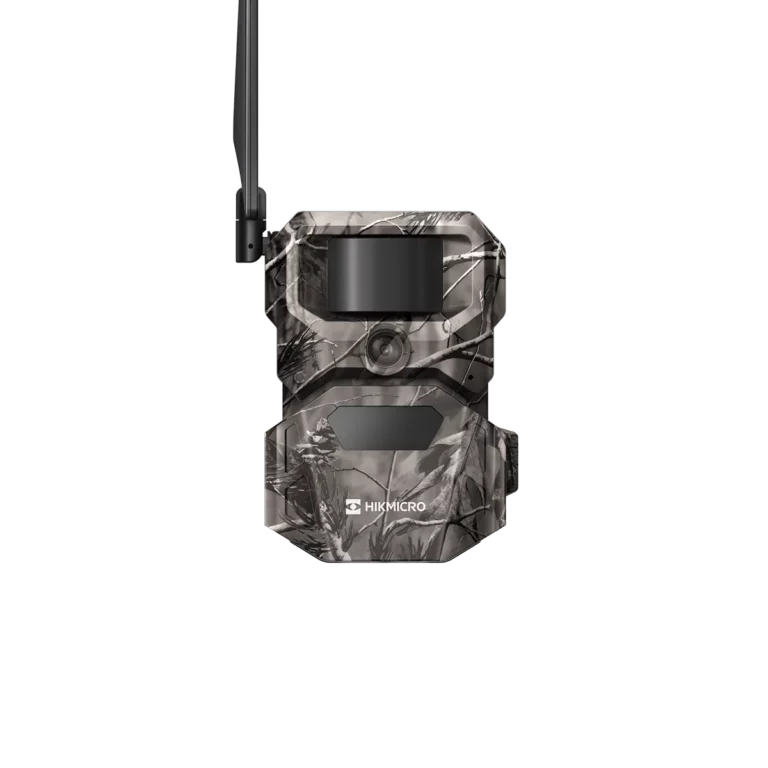
HikMicro T16 Trail Camera – 4G Remote Wildlife Camera
Spypoint Flex M Trail Camera – Cellular Model
Trail cameras are widely used by wildlife enthusiasts, landowners, gamekeepers, conservationists and pest controllers who need to monitor outdoor environments over extended periods. Once positioned in the field, they can automatically record activity and utilise night vision with minimal disturbance, making them suitable for both daytime and night-time monitoring.
This category includes trail cameras with a range of image capture, recording and connectivity options. Depending on the application, some models store images locally, while others can transmit photographs or video remotely using a mobile network. The most suitable choice depends on how frequently images need to be accessed and where the camera will be deployed.
Trail cameras are generally preferred when long-term, unattended monitoring is required. Their weather-resistant construction, motion-activated recording and low power consumption make them well suited to continuous outdoor use in a wide variety of environments.
Key Considerations
- Designed for unattended outdoor monitoring.
- Motion-activated image and video recording with night vison.
- Available with local storage or remote connectivity options.
- Long operating times using compatible power sources.
- Weather-resistant construction for year-round outdoor use.
- Suitable for wildlife observation, land management and site monitoring.
Choosing the Right Equipment
The most suitable trail camera depends on where it will be installed and how the recorded images will be used. Image quality, video recording capabilities and trigger performance all influence the amount of useful detail captured, while the field of view should suit the area being monitored.
Consider how frequently you intend to retrieve images. Cameras with local storage may be appropriate for sites that can be visited regularly, while models with remote connectivity allow images and status updates to be accessed without visiting the location. Battery life, external power compatibility and weather resistance are also important considerations for long-term deployment. If monitoring activity after dark, evaluate the type of infrared illumination the night vision provides and how it aligns with your intended application. Choosing a trail camera that matches your monitoring requirements will help deliver reliable performance throughout extended field use.
Looking for more?
Trail cameras complement a wide range of outdoor optics and wildlife observation equipment. You may also wish to explore related categories covering thermal imaging, night vision and other field observation products.