Filter by Brand
Model Series
Sensor Resolution
- 256x192 4
- 320x240 1
- 384x288 9
- 640x480 7
- 640x512 11
- 1024X768 HD 1
- 1280x1024 HD 4
THERMAL SCOPES
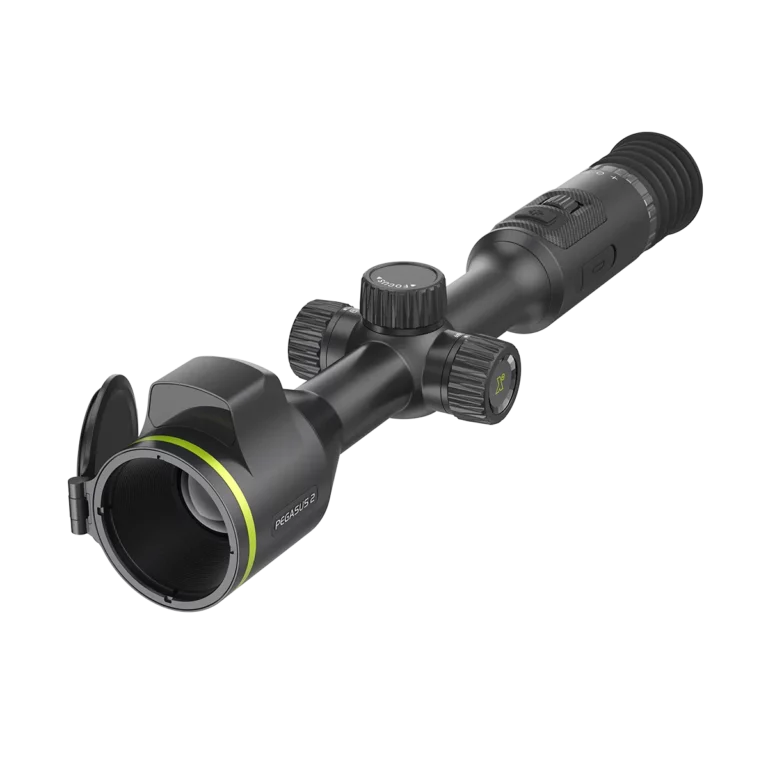
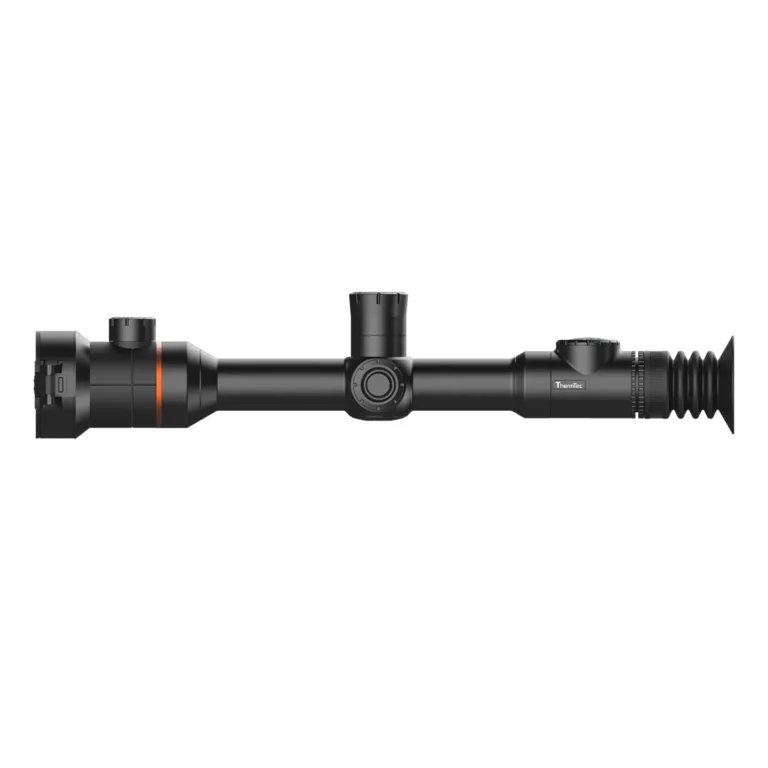
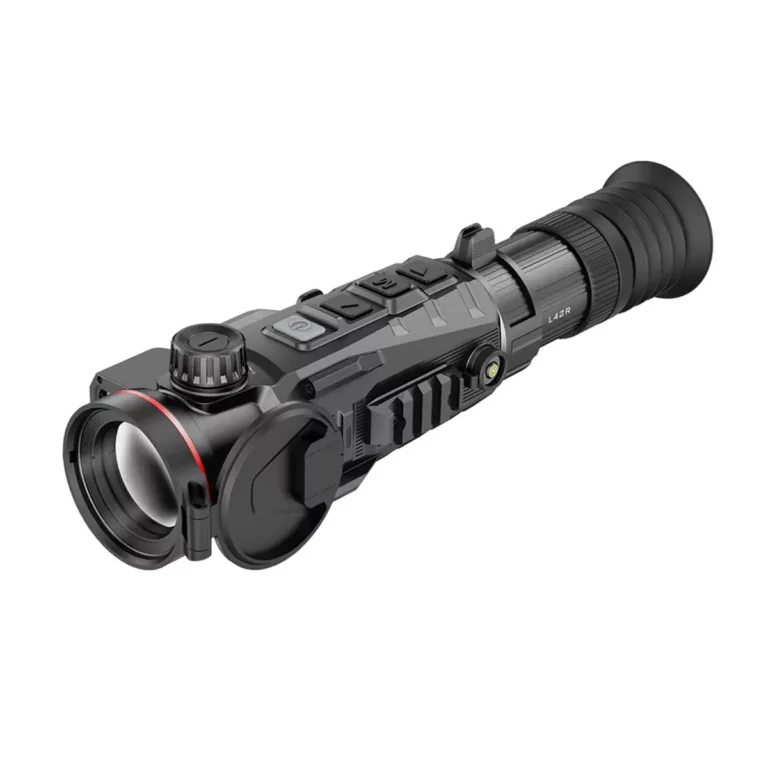
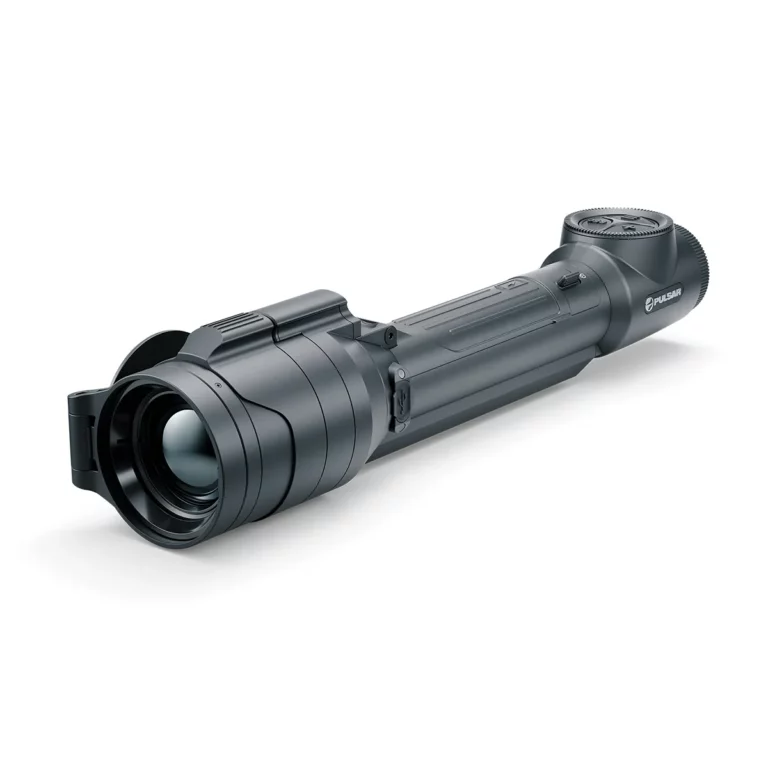
Discover our range of thermal rifle scopes designed for hunters, gamekeepers, and pest control professionals. Using advanced thermal imaging, these scopes detect heat signatures for clear identification day or night. From close-range woodland stalking to long-distance spotting, our hunting scopes deliver precision, reliability, and performance. Browse below to find the best thermal scope for your needs.
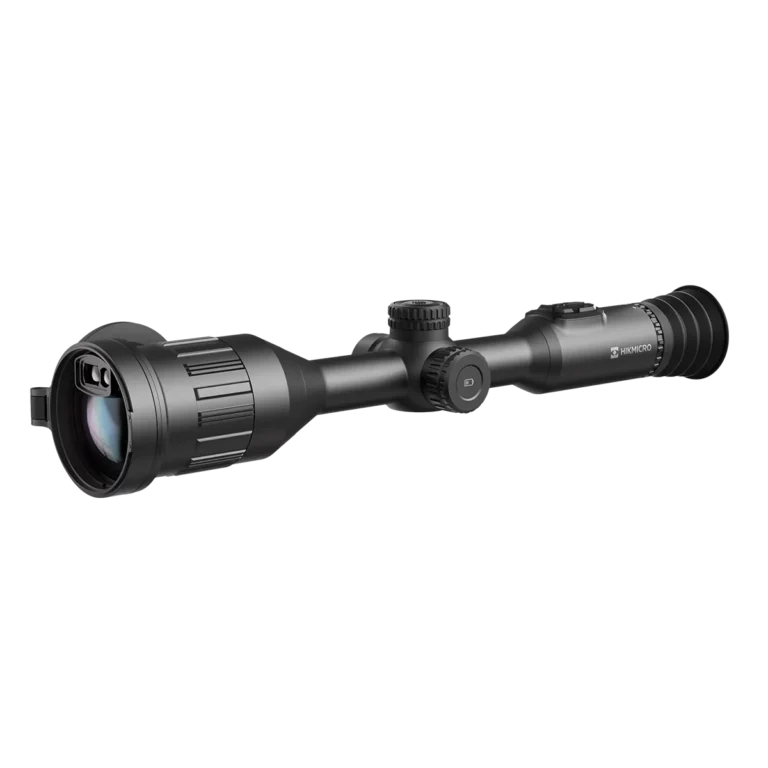
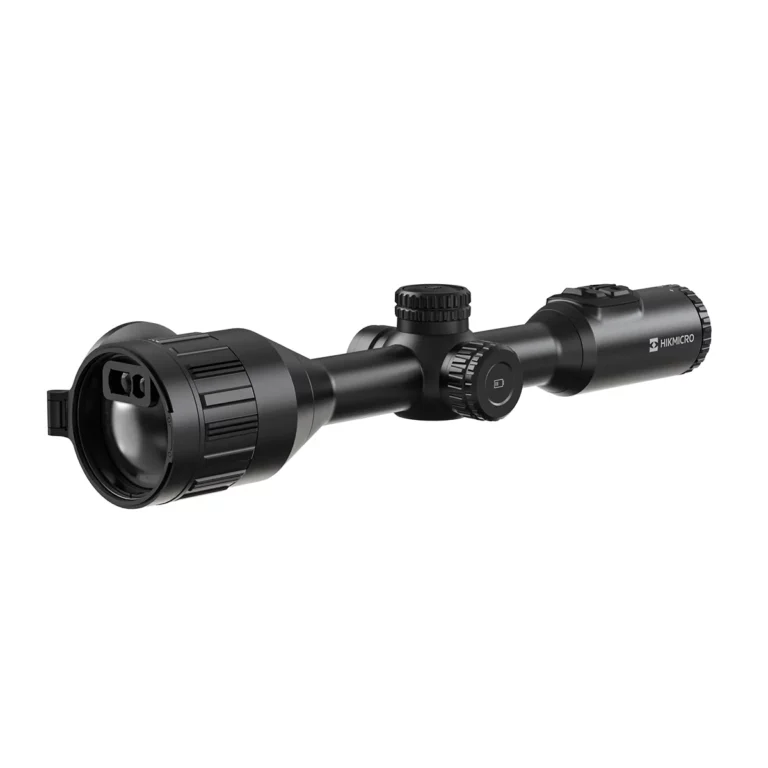
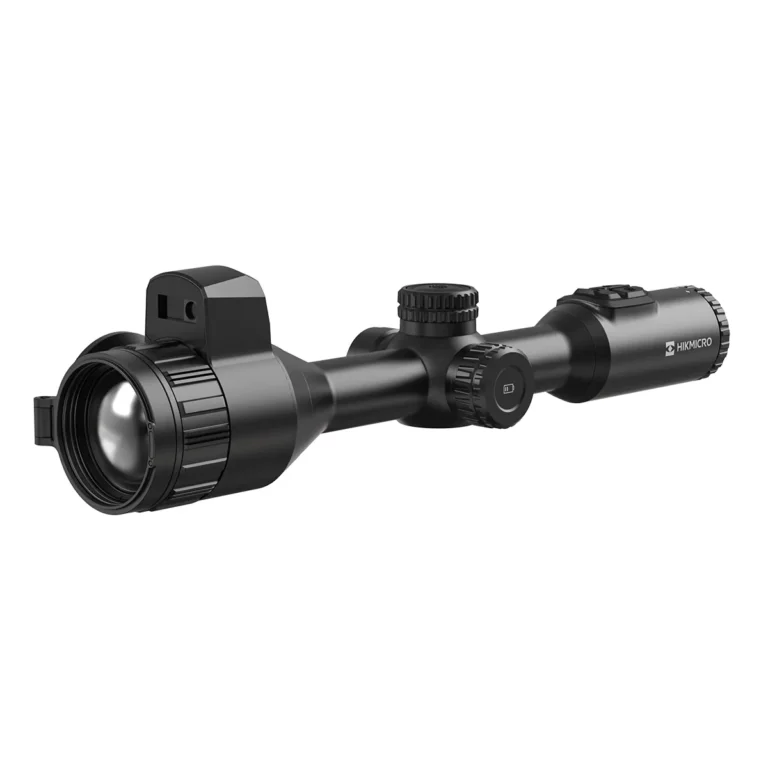
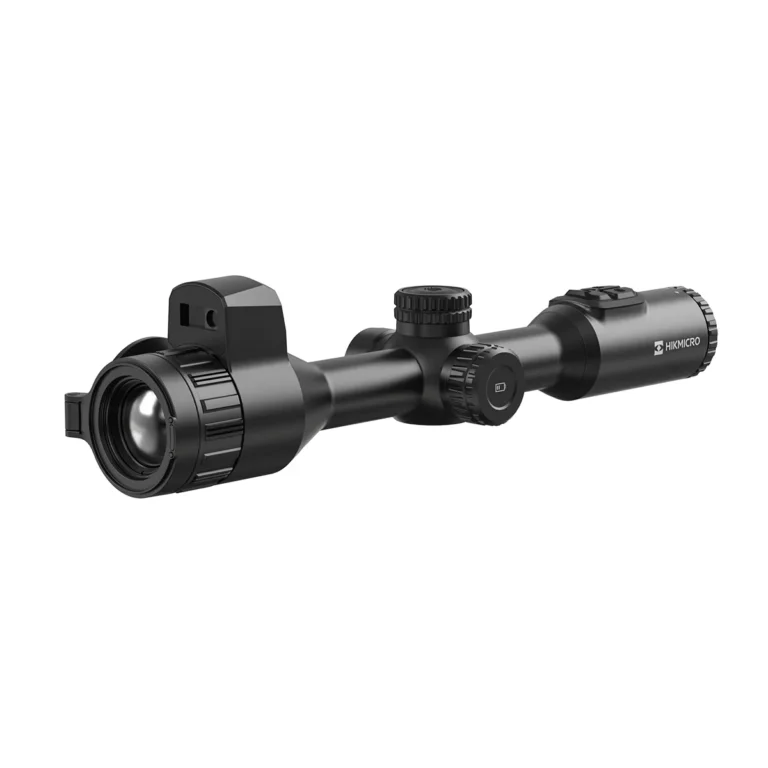
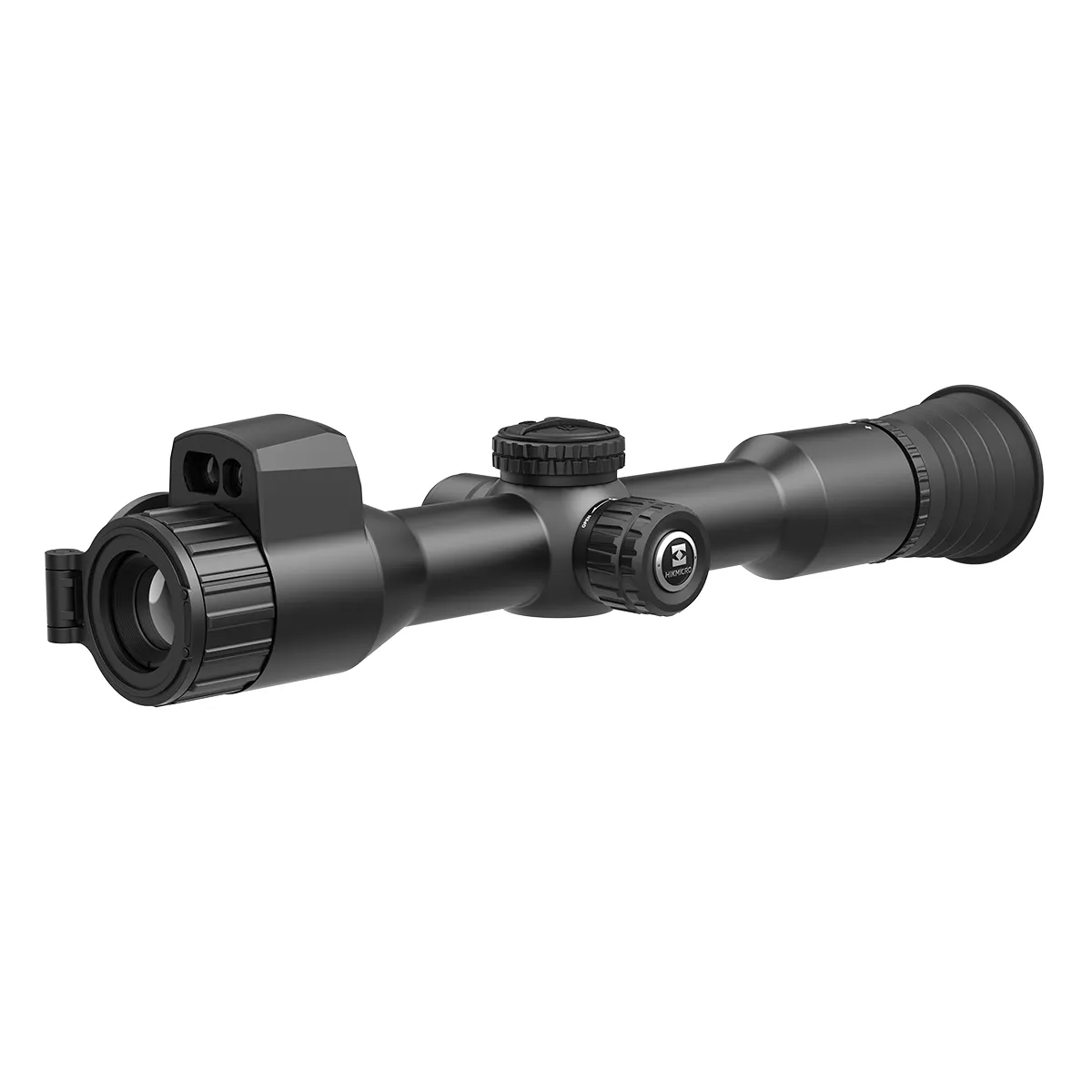
HikMicro Stellar SX60L 3.0 Thermal Scope
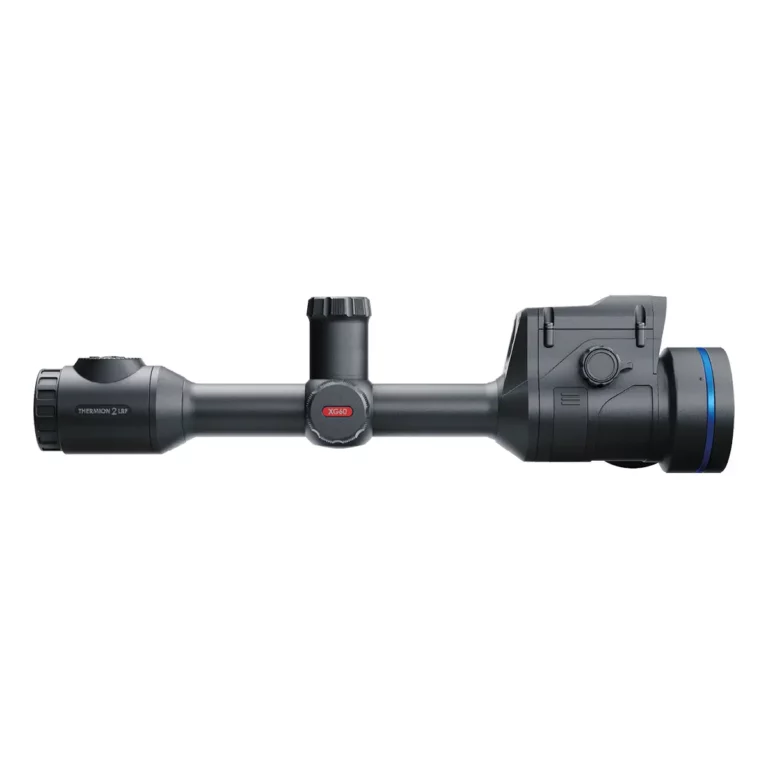
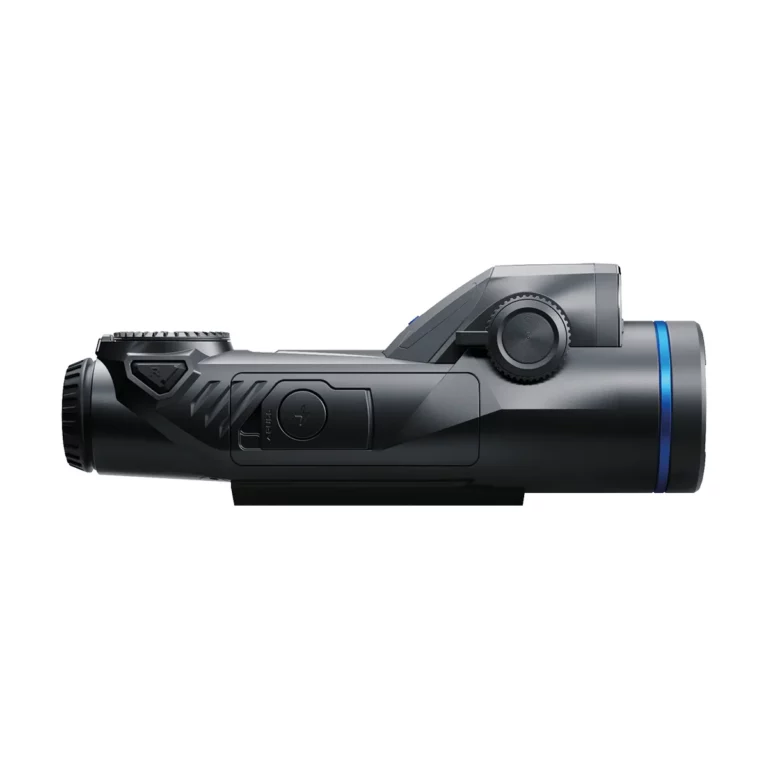
Pulsar Thermion 2 XL50 LRF Thermal Scope
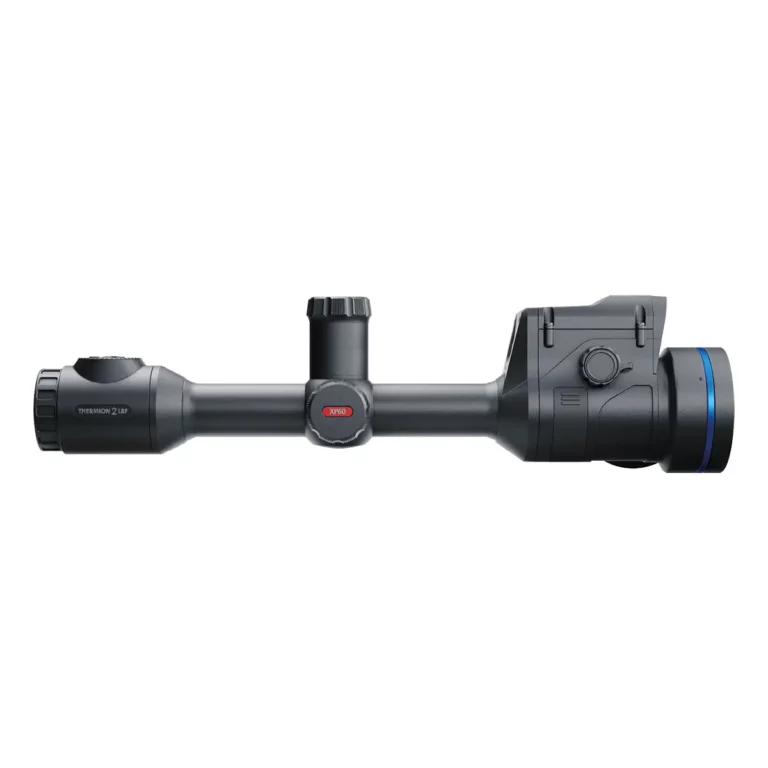
Pulsar Thermion 2 XP50 LRF Pro Thermal
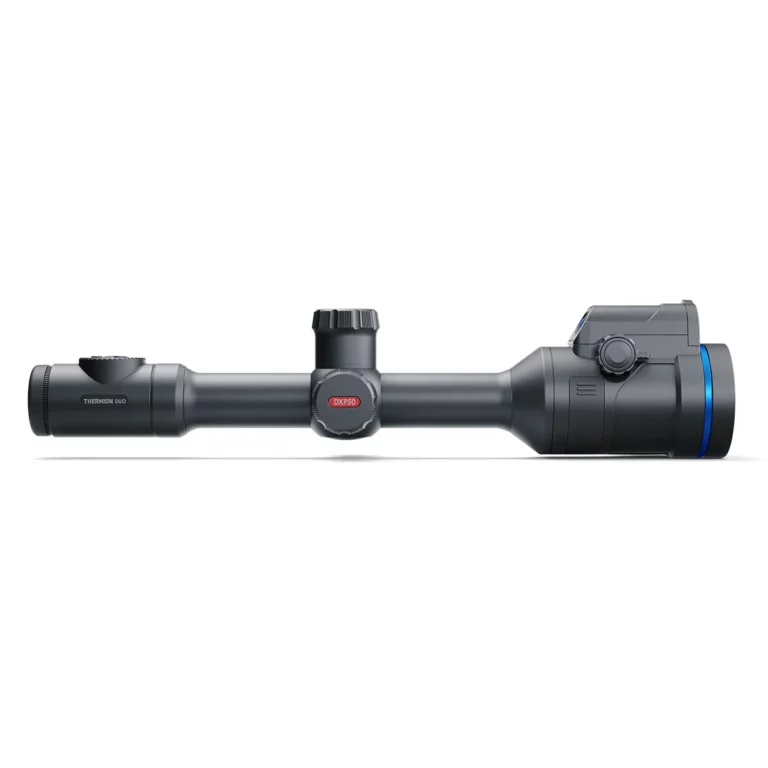
Pulsar Thermion DUO DXP50
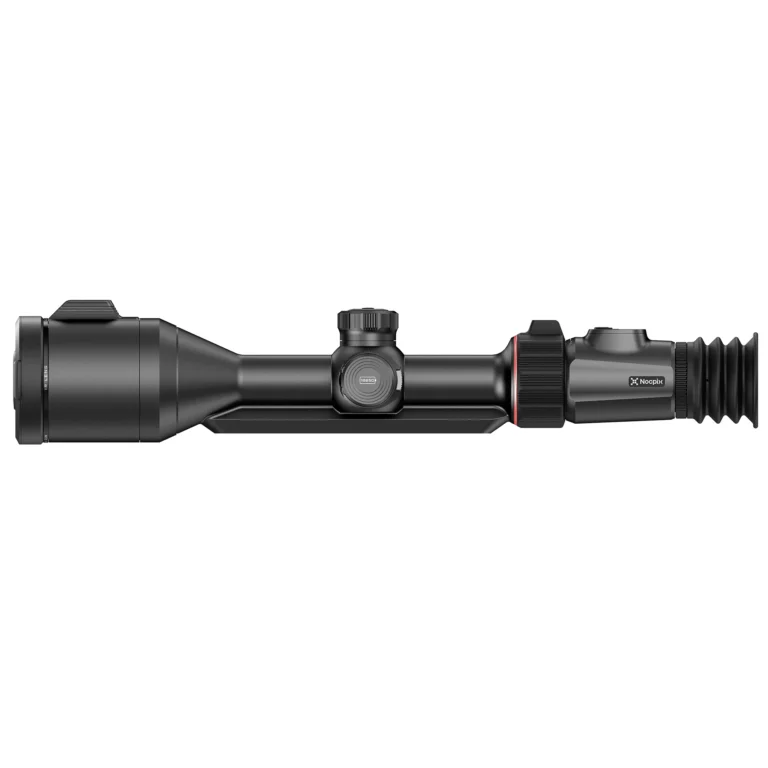
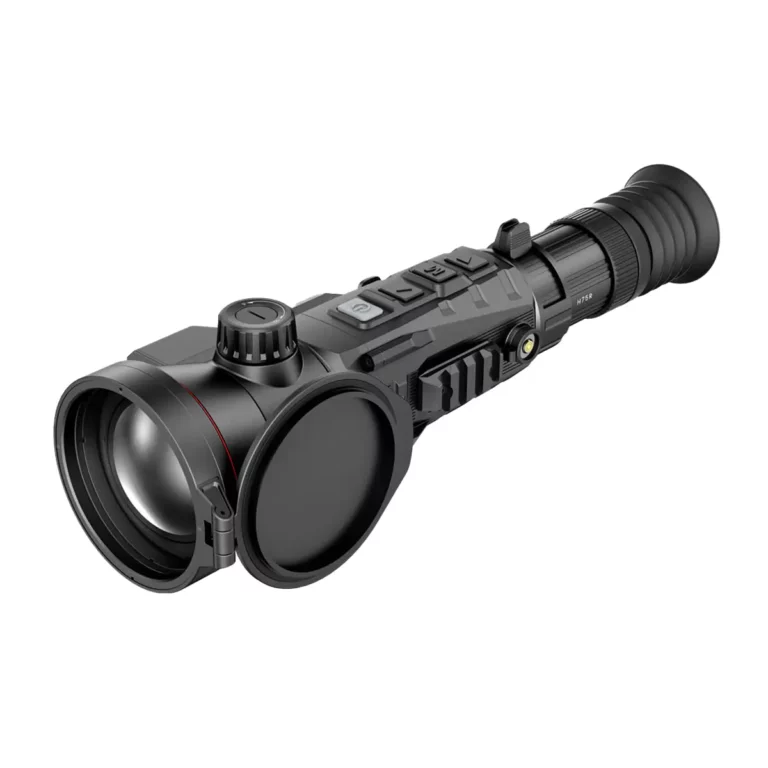
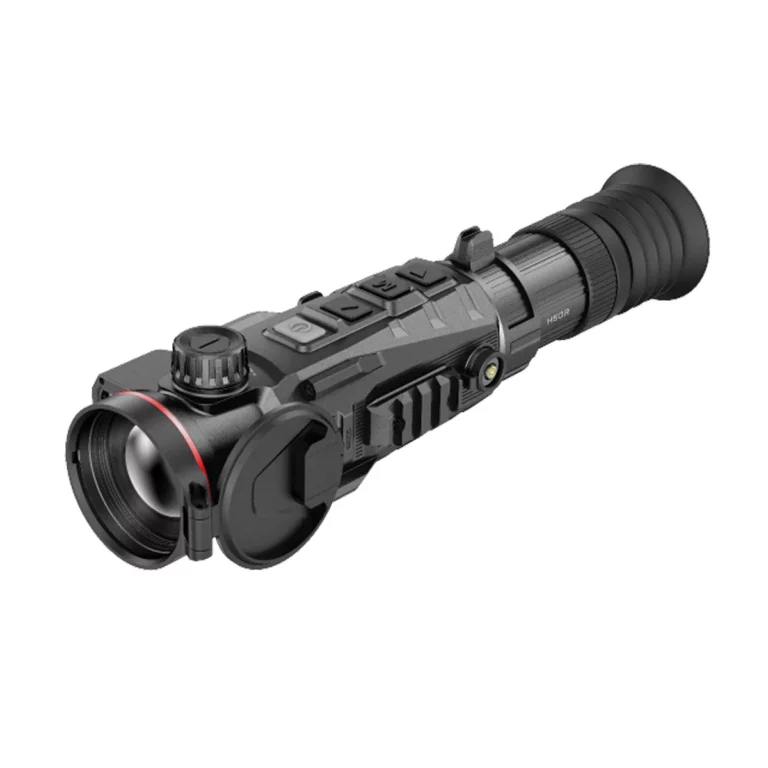
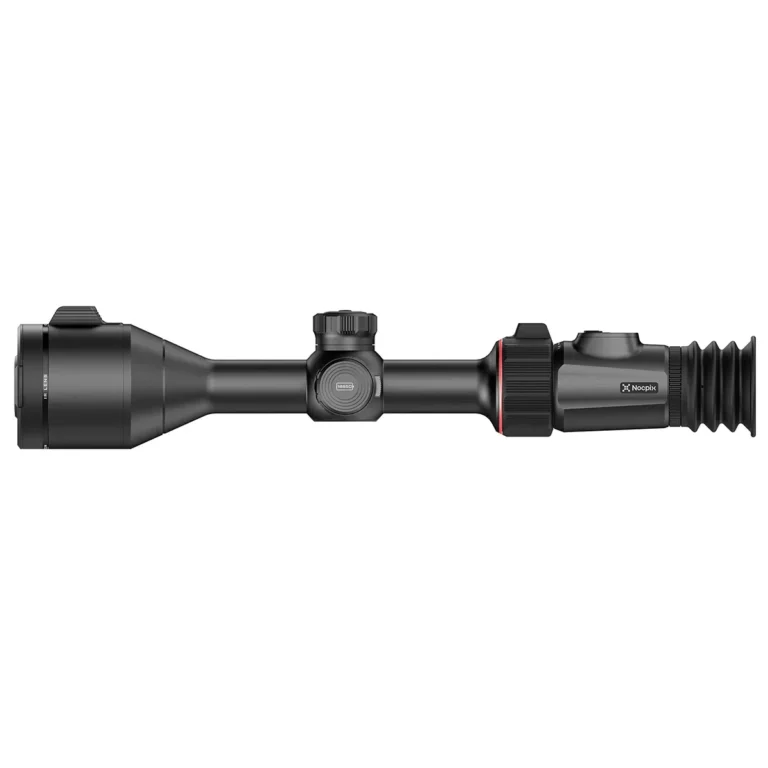
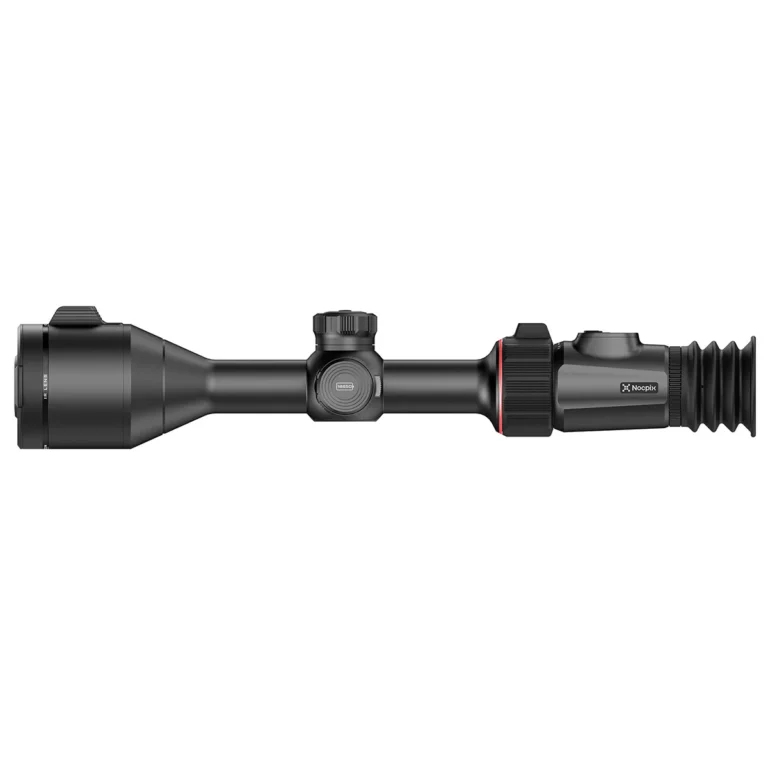
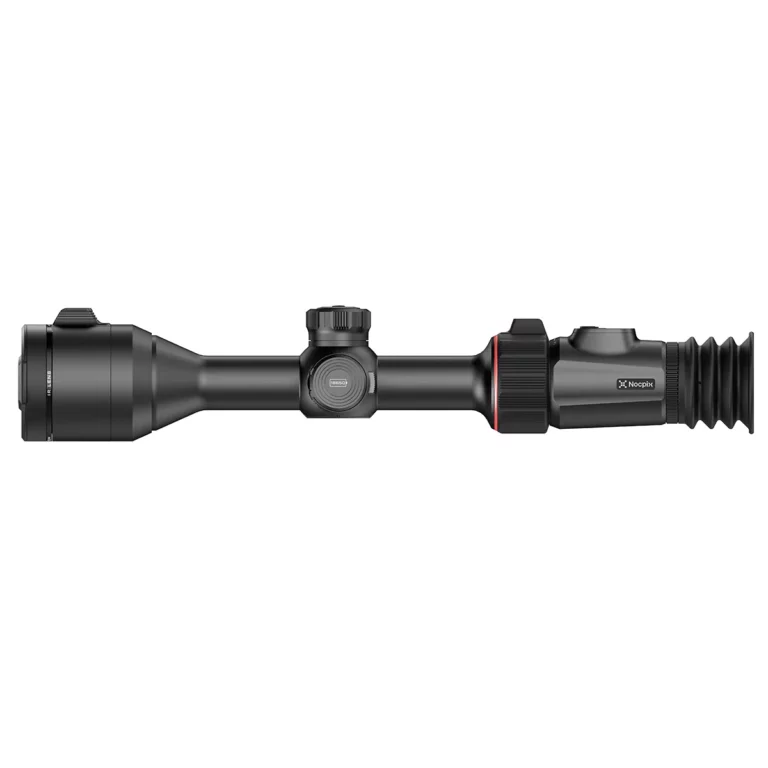
NocPix Bolt H50R Thermal Scope with LRF
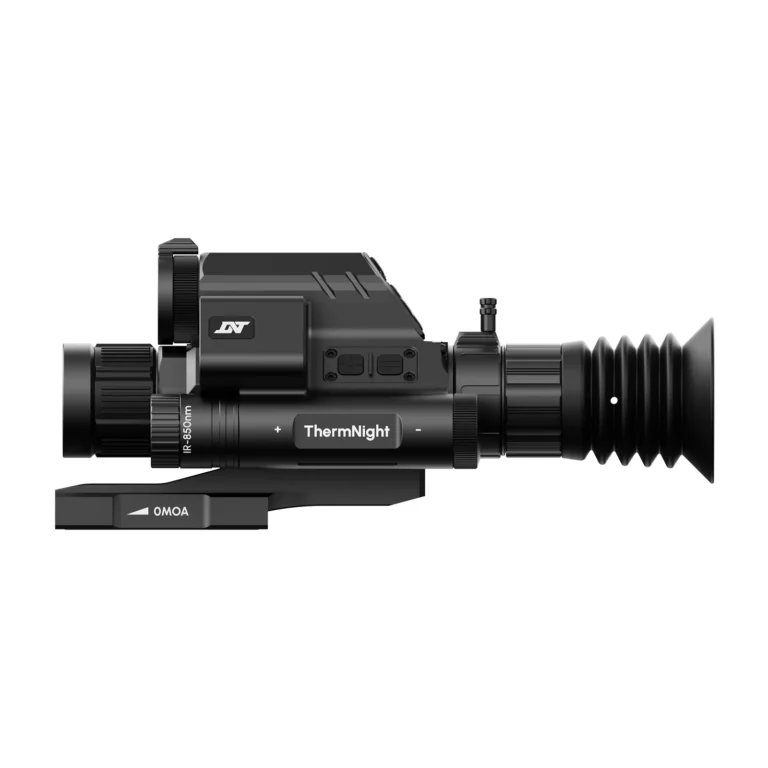
DNT ThermNight TNC635R LRF Multispectral Night Vision Scope
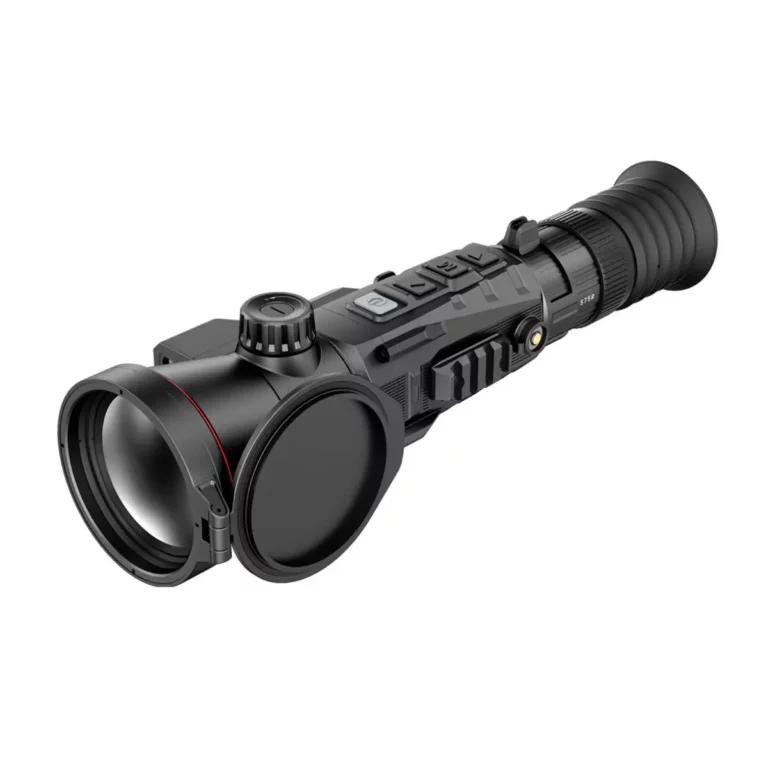
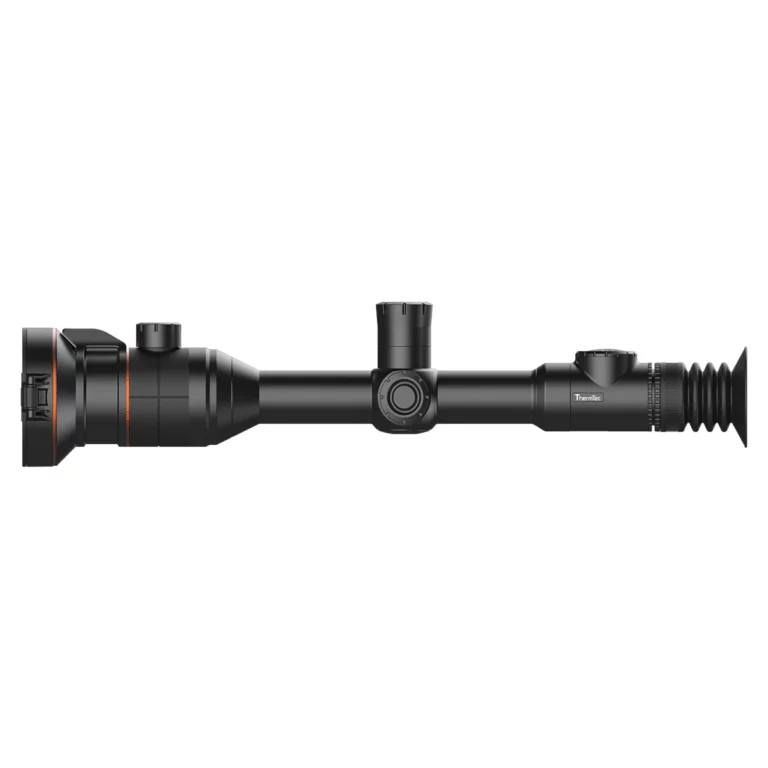
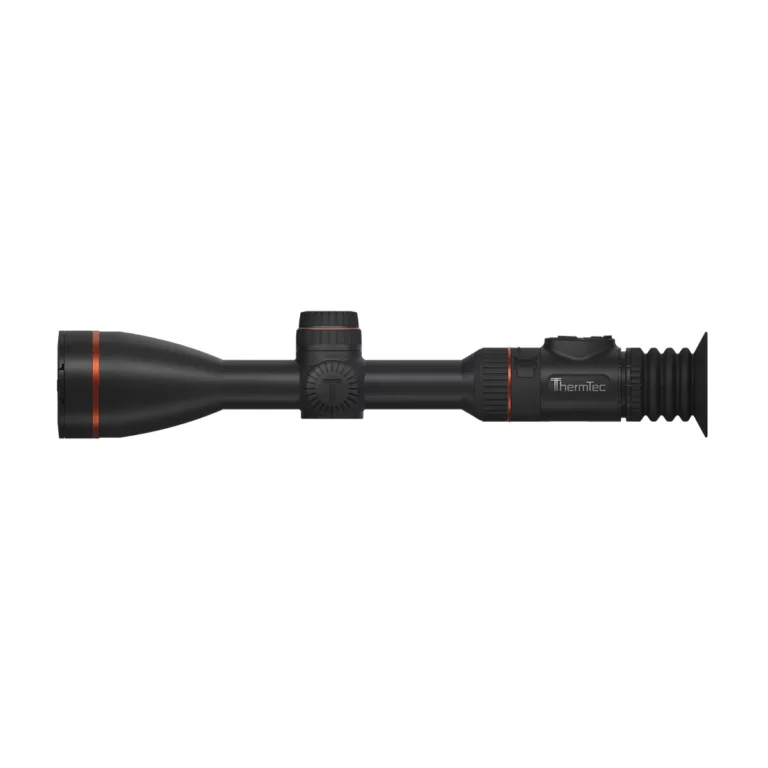
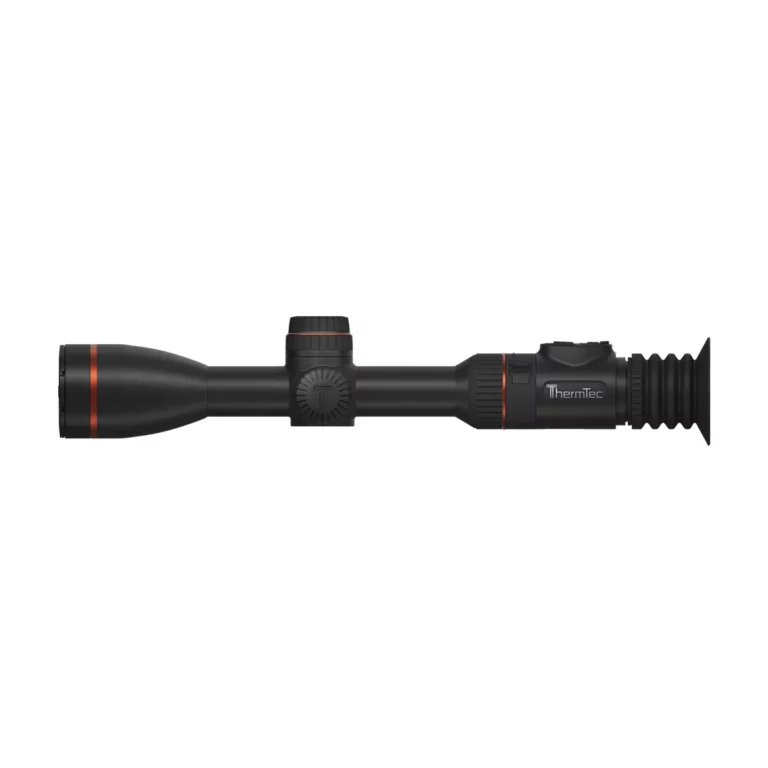
Thermtec Oryx-L 635 Thermal Scope
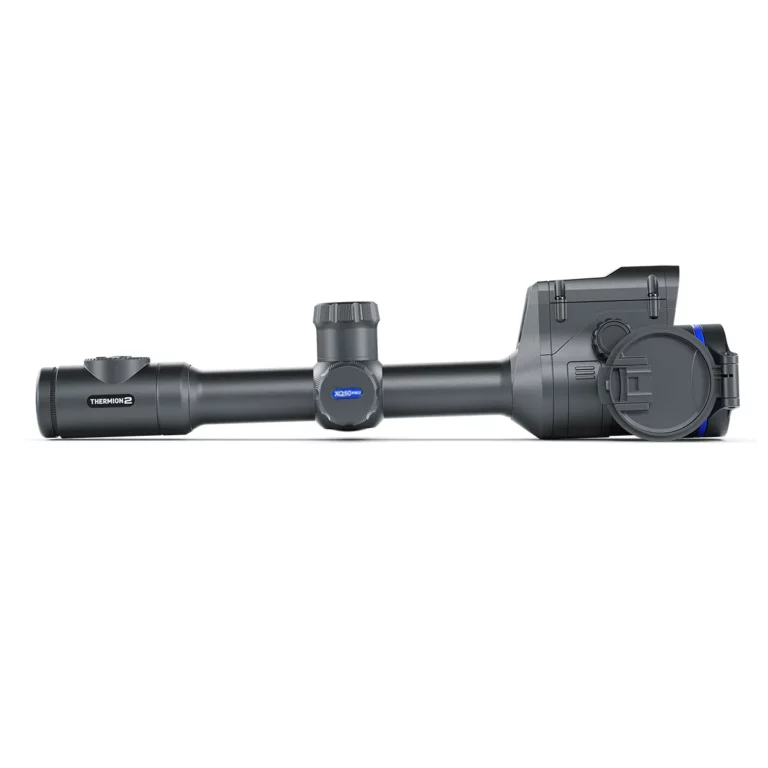
Pulsar Thermion 2 XQ50 Pro LRF Thermal
Thermtec Ares 650L LRF 2.0 Thermal Scope
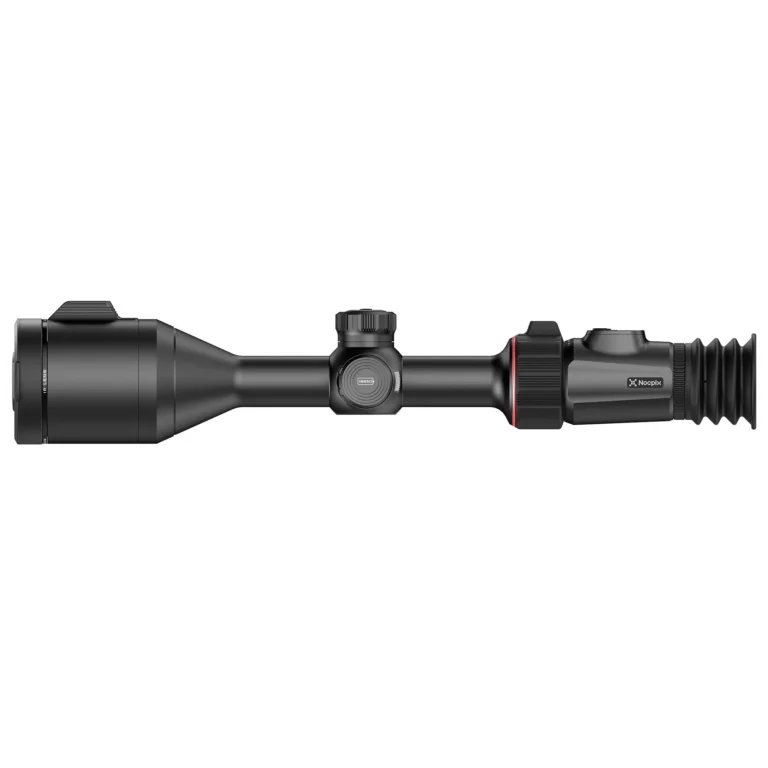
NocPix Rico 2 L42R Thermal Scope
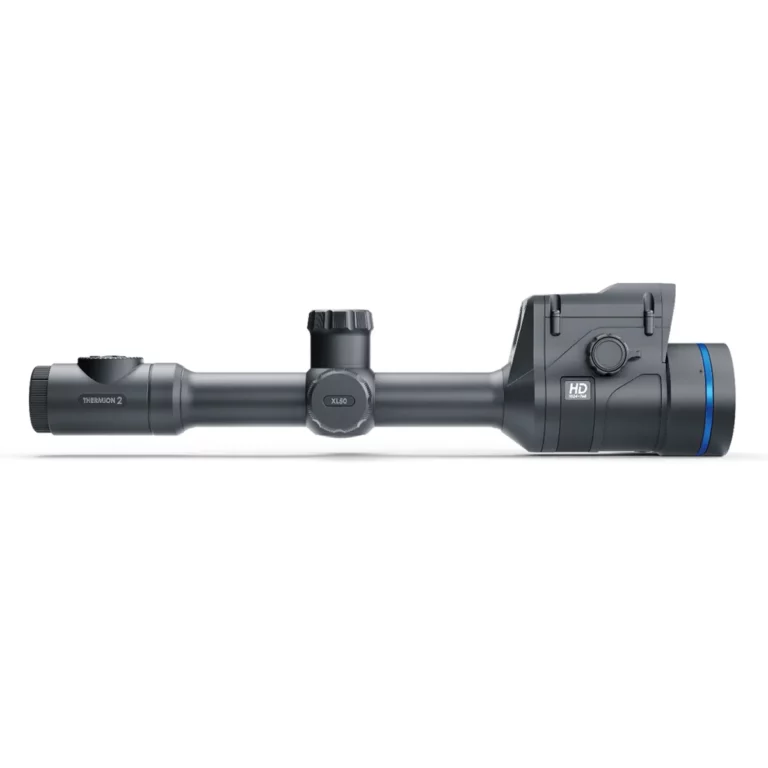
Pulsar Thermion 2 XG50 Thermal Scope
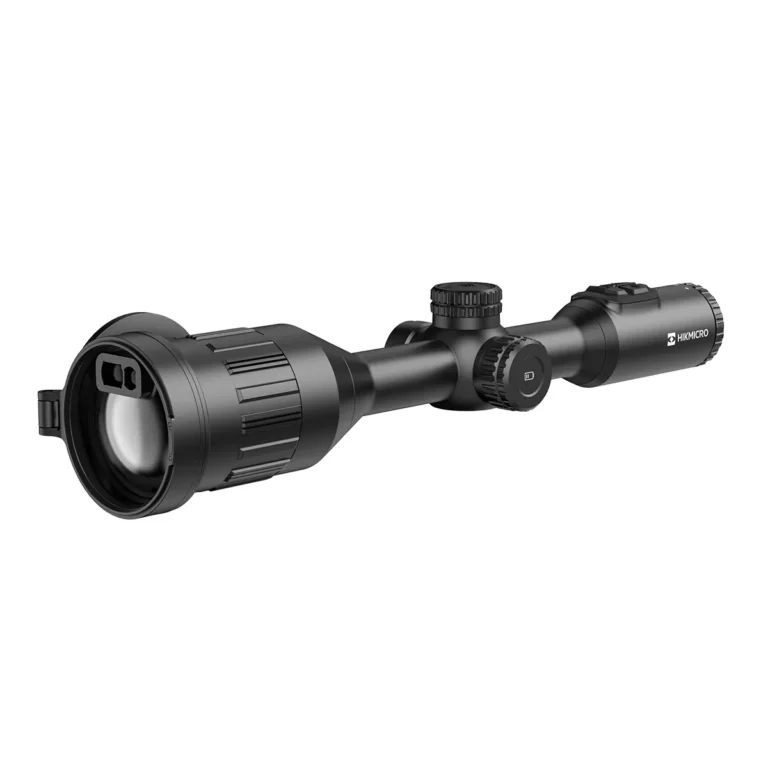
HikMicro Stellar SH35L 3.0 Thermal Scope
DNT ThermNight TNC335R LRF Multispectral Night Vision Scope
Pulsar Talion XG35 Thermal Scope
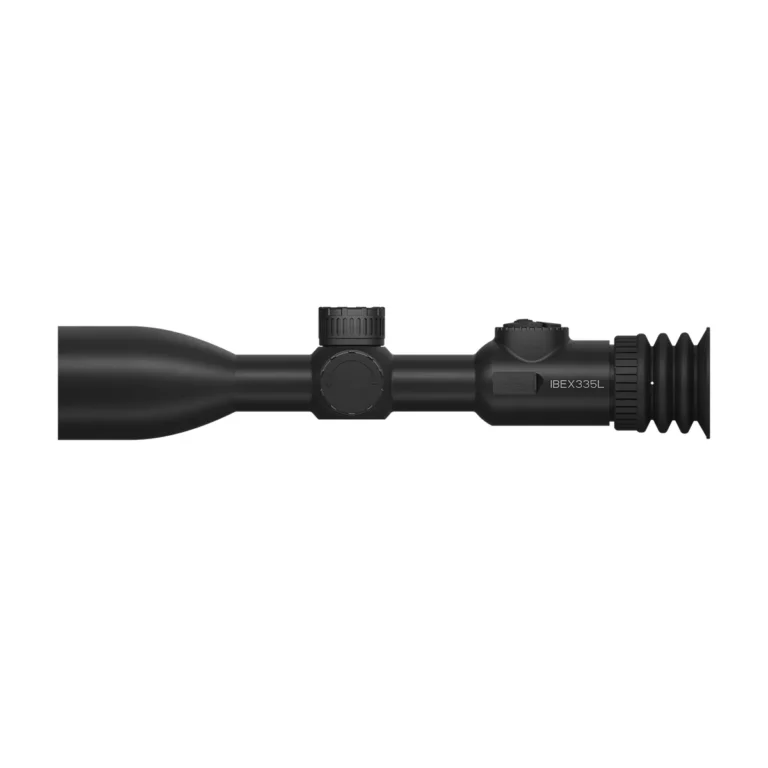
Thermtec Ibex 335L Thermal Scope
Why Choose a Thermal Scope?
Thermal scopes have transformed modern hunting by providing clarity and precision where standard optics or night vision fall short. By detecting heat signatures, they allow hunters to identify animals quickly, even when they are camouflaged in woodland or hidden in long grass. Unlike night vision, thermal scopes don’t depend on ambient light, meaning they perform just as well in daylight as they do at night.
Advantages of Using Thermal Scopes in Hunting
One of the greatest benefits of a thermal scope is long-range detection. Depending on the model, hunters can spot game from hundreds or even thousands of metres away. This makes them invaluable for pest control, deer stalking, and night hunting. Thermal scopes also improve safety by helping hunters clearly identify targets, ensuring accurate shots and reducing the risk of mistakes.
Practical Applications
Thermal imaging is widely used for fox control and vermin management, particularly at night when pests are most active. For deer stalkers, a thermal scope makes it easier to track animals at dawn and dusk, when visibility is poor. These scopes are also popular among wildlife enthusiasts, who use them to observe nocturnal animals without disturbance.
Key Features to Consider
When choosing a thermal scope, hunters should consider detection range, image resolution, magnification, and battery life. Entry-level models are ideal for close-range woodland use, while premium scopes with longer ranges are better suited for open terrain. Many modern scopes also include video recording, Wi-Fi connectivity, and multiple colour palettes, adding extra functionality for hunters and observers alike.
Conclusion
Whether you’re managing pests, stalking deer, or exploring nocturnal wildlife, a thermal scope gives you a major advantage. Combining advanced technology with rugged design, today’s scopes are built to perform in all environments, offering hunters the confidence to identify, track, and target with precision.
Compare Thermal Scopes
Thermal Scope FAQ's
A thermal scope detects heat signatures from animals, people, or objects and displays them as a thermal image, allowing you to see in complete darkness, through smoke, fog, and light brush.
Yes. Unlike night vision, thermal scopes do not rely on ambient light. They work equally well in daylight and darkness.
Night vision amplifies available light (like moonlight or IR), while thermal scopes detect heat. Thermal scopes are more effective in complete darkness or when there’s camouflage.
Detection range varies by model. Entry-level scopes may detect up to 1,000m, while premium scopes can detect heat signatures at 3900m or more.
Yes, thermal scopes are legal to own and use for hunting, pest control, and observation. However, always check local laws and landowner permissions before use.
Many modern thermal scopes include onboard recording, Wi-Fi streaming, and snapshot features. This allows hunters to review hunts and share footage.
Battery life varies depending on the scope and usage. On average, expect between 5–10 hours of operation on a single charge or set of batteries.
Yes. Heavy rain, dense fog, or extreme humidity can slightly reduce thermal clarity, though thermal scopes still perform better than night vision in such conditions.
Thermal scopes are generally low maintenance. Keep the lens clean, protect the unit from impacts, and update firmware when available.
For woodland pest control, lower magnification (1–3x) is ideal for wider fields of view. For long-range spotting, higher magnification (4–12x) works better.