ORDERS OVER £95 ARE SHIPPED FREE

For sales and advice
0113 5220368
ORDERS OVER £95 ARE SHIPPED FREE
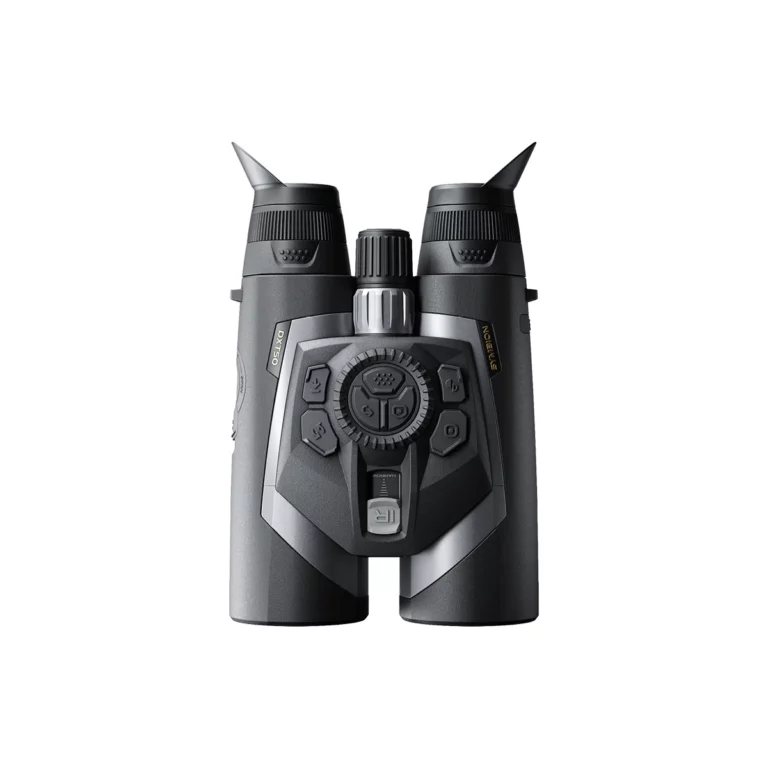
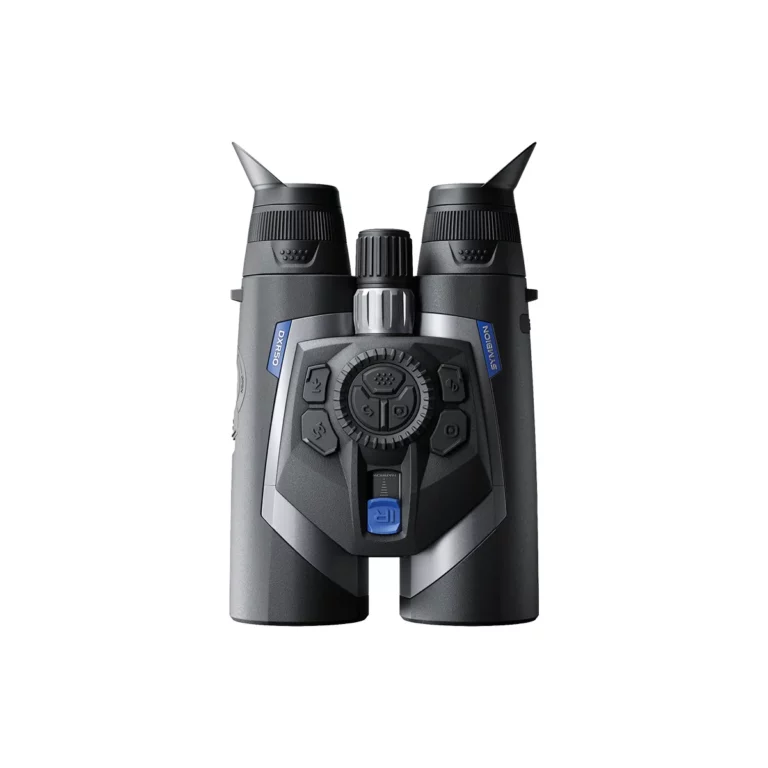
The Pulsar Symbion range combines thermal imaging and 4K digital day/night optics within a single multispectral binocular platform. Models differ by thermal sensor resolution, base magnification, image detail and performance characteristics, while sharing a common 50mm lens design and integrated laser rangefinder system.
| Feature | Symbion LRF DXT50 | Symbion LRF DXR50 |
|---|---|---|
| Thermal Sensor Resolution | 1280 × 1024 | 640 × 480 |
| Digital Optical Channel | 4K CMOS sensor | 4K CMOS sensor |
| Base Thermal Magnification | Lower base magnification | Higher base magnification |
| Field of View Profile | Wider scanning field | Narrower, distance-focused field |
| Detection Range (deer-sized object) | Up to approx. 2300 m | Up to approx. 2300 m |
| Laser Rangefinder | Integrated | Integrated |
The Symbion platform is built around a classic daytime binocular design housing two optical channels: a thermal imaging channel and a 4K digital channel. Both models use a 50mm objective system and integrated laser rangefinder within the same chassis.
Differences between models are driven primarily by thermal sensor resolution and base magnification rather than generational changes. Controls, interface layout, DUO mode functionality, stabilisation features, battery system and operating architecture remain consistent across the range.
The DXT50 uses a higher resolution 1280 × 1024 thermal sensor, providing increased image detail and recognition capability. The DXR50 uses a 640 × 480 sensor, offering strong performance with a more distance-focused base magnification profile.
Both Symbion LRF models are rated for detection of a deer-sized object at distances of up to approximately 2300 metres under ideal conditions. Detection range does not equal identification range, which is influenced by terrain, weather and target characteristics.
DUO mode allows simultaneous use of thermal and digital channels. One image is displayed as the main view while the second channel appears in a Picture-in-Picture window. This enables cross-reference between heat signature and visual detail.
Electronic image stabilisation reduces visible shake when observing handheld, particularly at higher magnifications. It improves image steadiness during extended observation and can be calibrated if required.
The Symbion range uses replaceable APS5 lithium-ion battery packs. Two batteries can be installed simultaneously, supporting extended operating time and hot-swap flexibility in field use.
We are an authorised Pulsar UK retailer. We provide expert product advice and guidance. Contact us direct for price match queries.
Compare all [Thermal Binoculars →] or learn more [About Pulsar →]