ORDERS OVER £95 ARE SHIPPED FREE








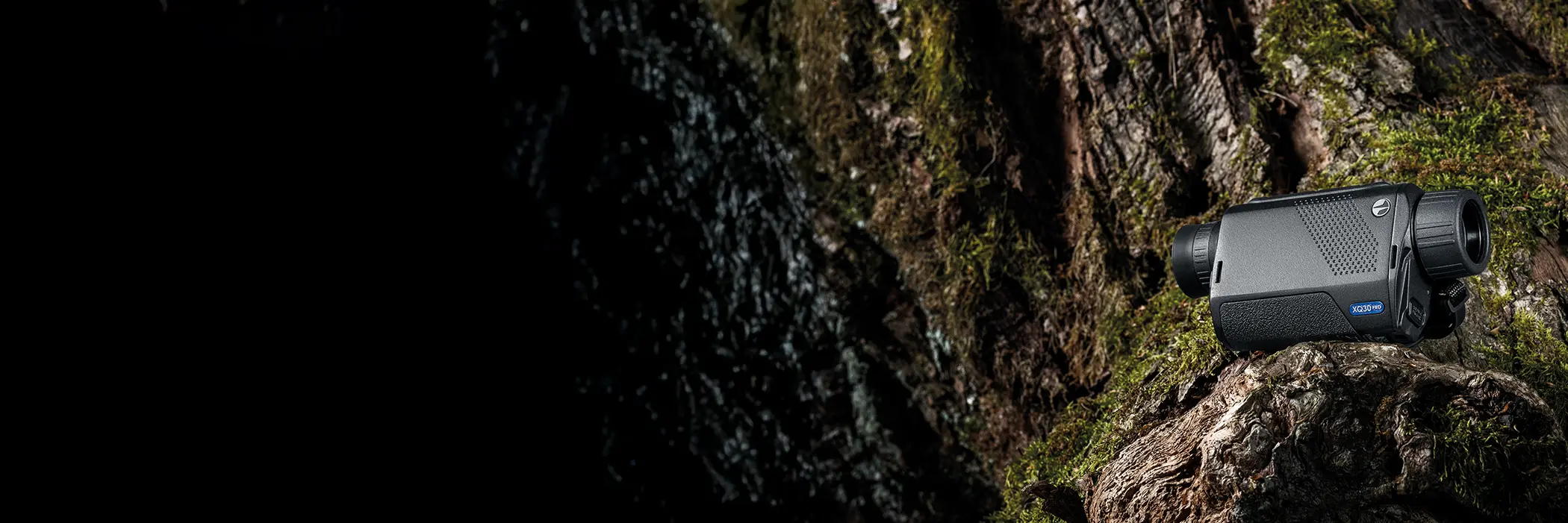
Thermal imaging technology has transformed how people observe, detect, and track heat signatures in low-light and no-light conditions. Whether you’re monitoring wildlife, controlling pests, surveying land, or using thermal equipment professionally, choosing the right device requires understanding how thermal imaging works and which specifications matter most.
This guide explains everything you need to know to choose the right thermal imaging device for your needs, without unnecessary technical jargon.
How Thermal Imaging Technology Works
Thermal imaging devices detect infrared radiation (heat) emitted by objects rather than relying on visible light. Every object above absolute zero emits heat, and thermal sensors convert these temperature differences into a visible image.
Unlike night vision, which amplifies available light, thermal imaging works in:
Complete darkness
Fog, mist, and light rain
Through vegetation such as grass or light brush
The image displayed is created by a thermal sensor that measures temperature differences and assigns contrast or colour to show warm and cool areas clearly.
This makes thermal imaging particularly effective for detection, allowing users to quickly spot animals, people, or objects that would otherwise be invisible.
Thermal Imaging vs Night Vision – What’s the Difference?
Although often compared, thermal imaging and night vision serve different purposes.
Thermal Imaging
Detects heat signatures
Works in total darkness
Excels at spotting hidden or distant subjects
Ideal for detection and situational awareness
Night Vision
Amplifies available light (moonlight, starlight)
Requires some ambient light or IR illumination
Better for identifying fine visual details
Commonly used where recognition matters more than detection
Many users choose thermal imaging for initial detection and night vision for confirmation and identification, depending on their application.
Key Specifications to Consider When Choosing Thermal Imaging
Understanding the core specifications will help you choose the right thermal device for your use case.
Sensor Resolution
Sensor resolution refers to the number of pixels in the thermal sensor, such as:
256 × 192
384 × 288
640 × 512
Higher resolution provides:
Sharper images
Better detail at distance
Improved target identification
For scanning wide areas or longer ranges, higher resolution sensors deliver a noticeable advantage.
Thermal Sensitivity (NETD)
NETD (Noise Equivalent Temperature Difference) measures how sensitive a thermal sensor is to temperature differences.
Lower NETD values are better
A lower NETD means finer detail and clearer separation between similar heat sources
For wildlife observation and professional use, good thermal sensitivity is often more important than raw resolution.
Lens Size & Field of View
The lens determines how much of the scene you can see.
Wider field of view: better for scanning large areas
Narrower field of view: better for long-range detection
Choosing the right balance depends on whether you prioritise:
Detection at distance
Situational awareness and tracking movement
Detection vs Identification Distance
Manufacturers often quote long detection distances, but it’s important to understand the difference:
Detection: spotting a heat source
Identification: recognising what the object actually is
Detection distances are always much longer than identification distances. Real-world clarity depends on resolution, lens size, and thermal sensitivity combined.
Refresh Rate
Refresh rate affects how smooth the image appears when moving.
Higher refresh rates provide smoother motion
Important for handheld scanning and tracking moving subjects
This is especially noticeable when panning or following wildlife.
Battery Life & Durability
For outdoor and professional use, battery performance and build quality are critical.
Consider:
Battery runtime
Rechargeable vs removable batteries
Weather resistance
Shock and impact protection
Reliable thermal imaging devices are designed for extended use in challenging environments.
Choosing the Right Thermal Imaging Device for Your Use
Different applications require different priorities.
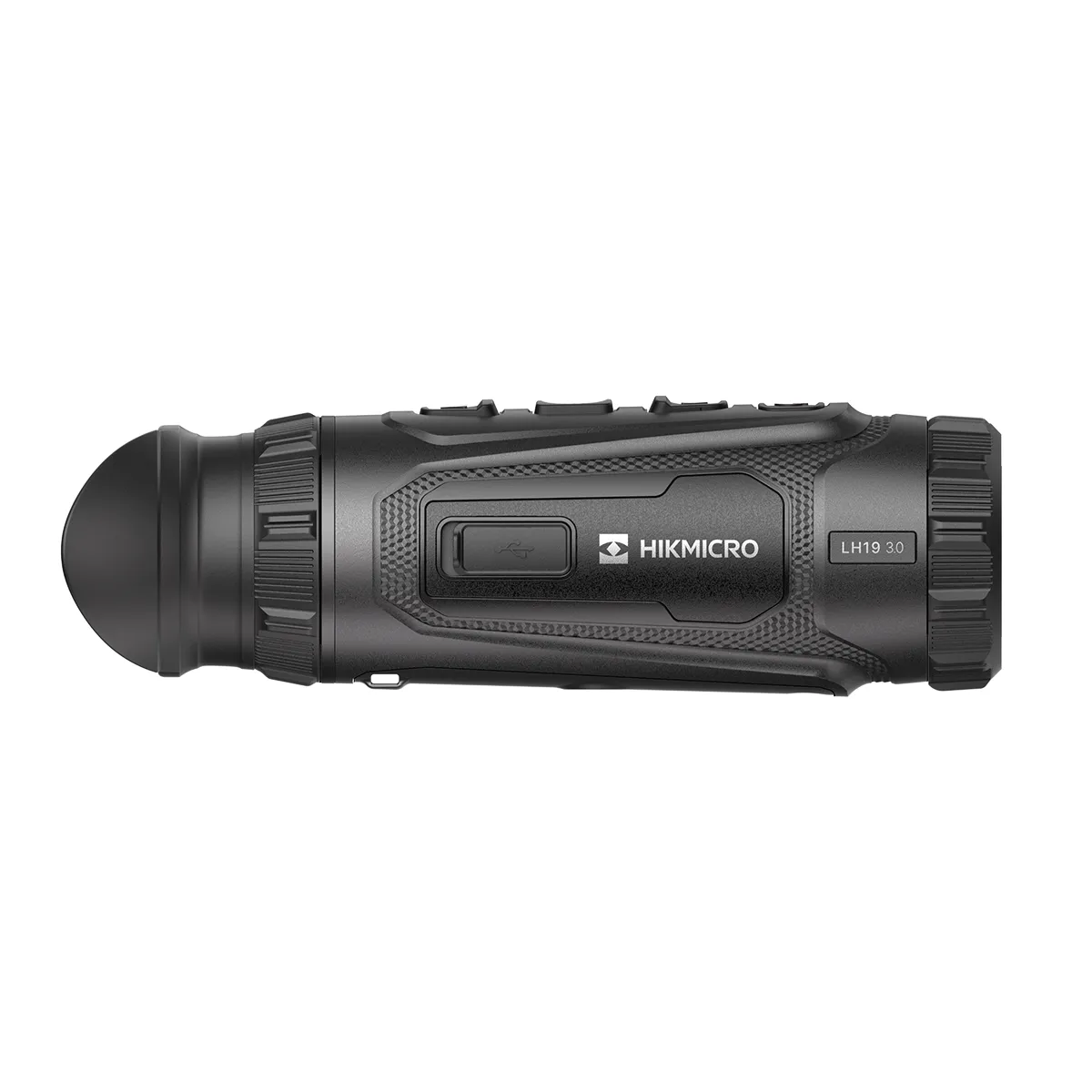
Thermal Imaging for Wildlife Observation
Key features:
Wide field of view for scanning
Good thermal sensitivity
Comfortable handheld design
Quiet operation
Ideal for observing animals without disturbance, day or night.
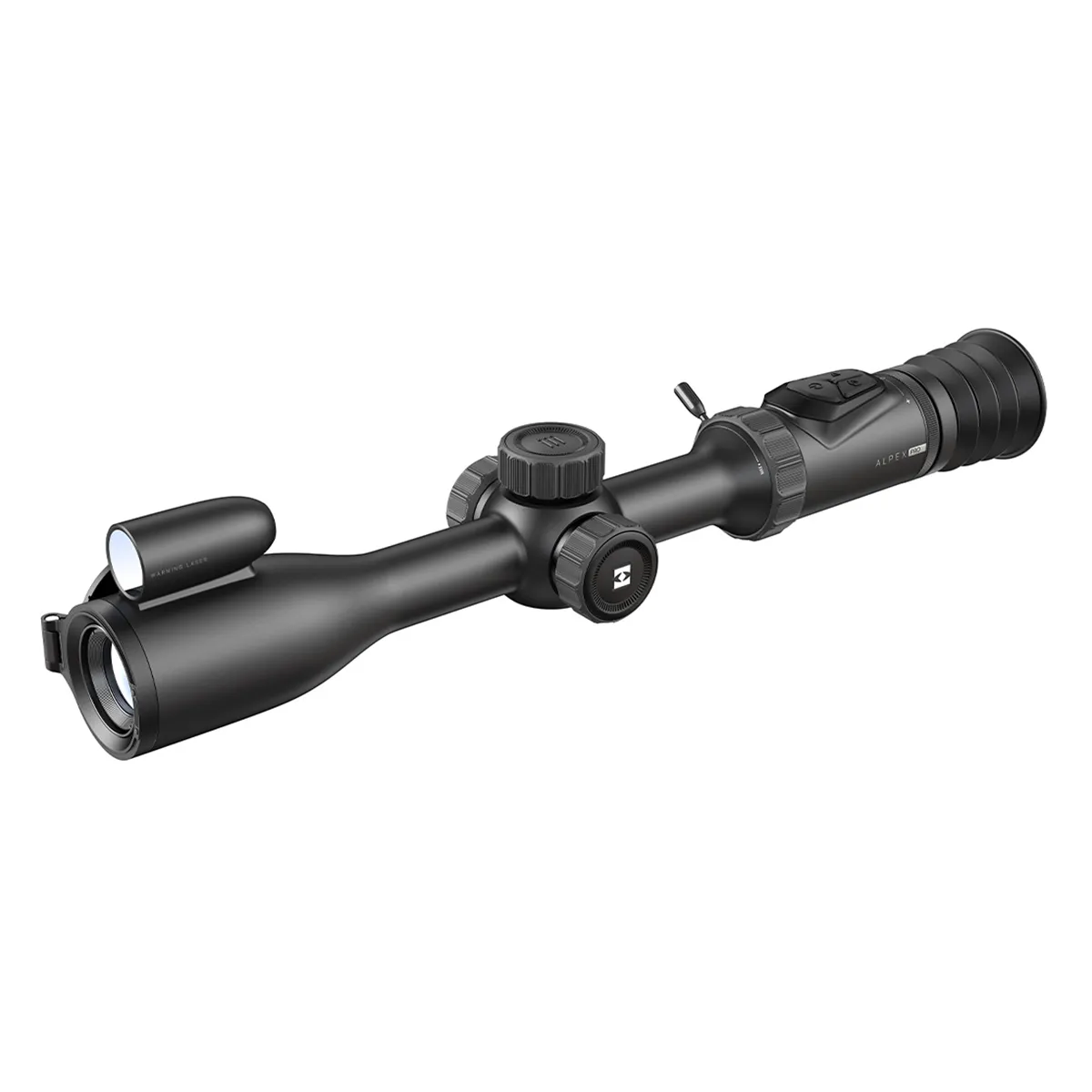
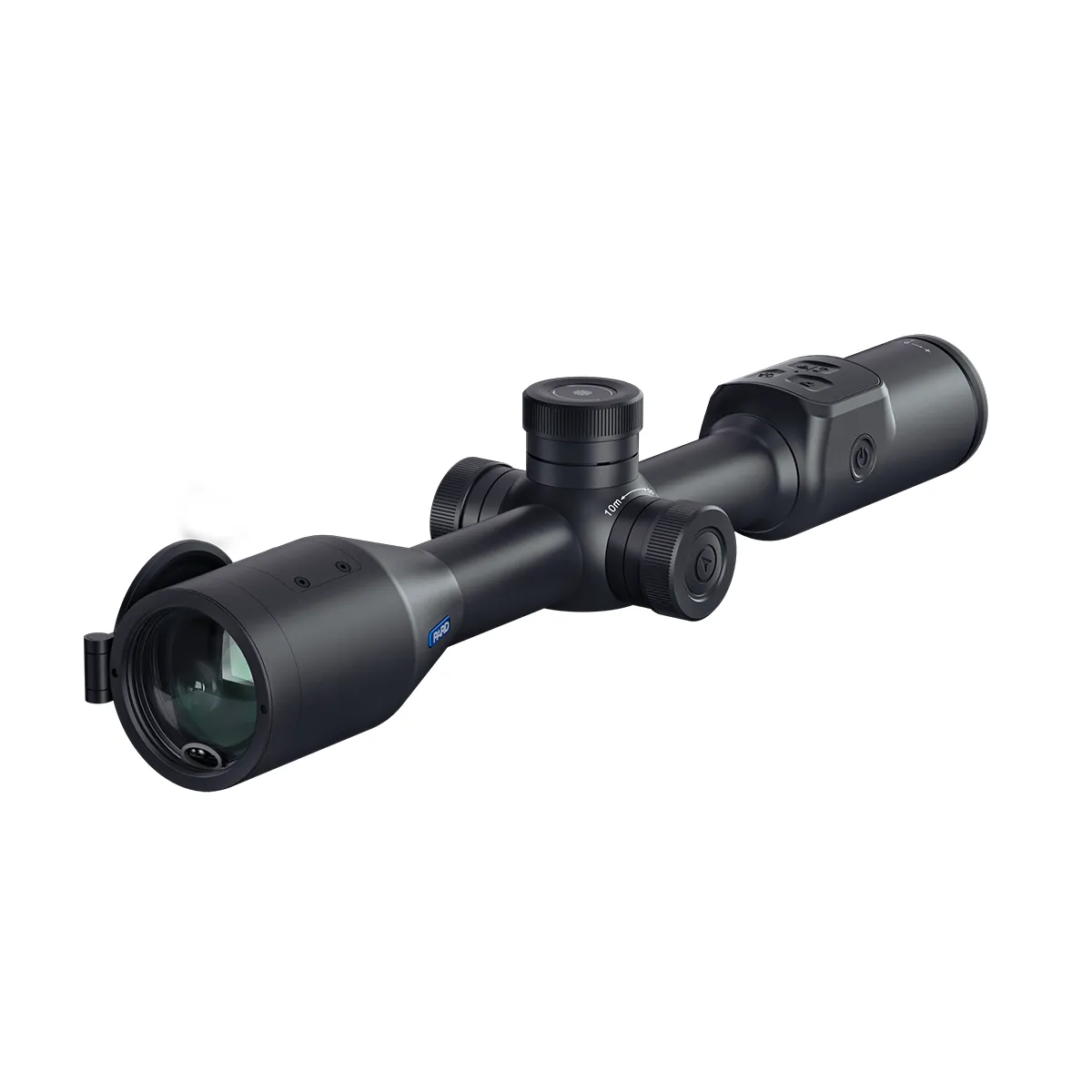
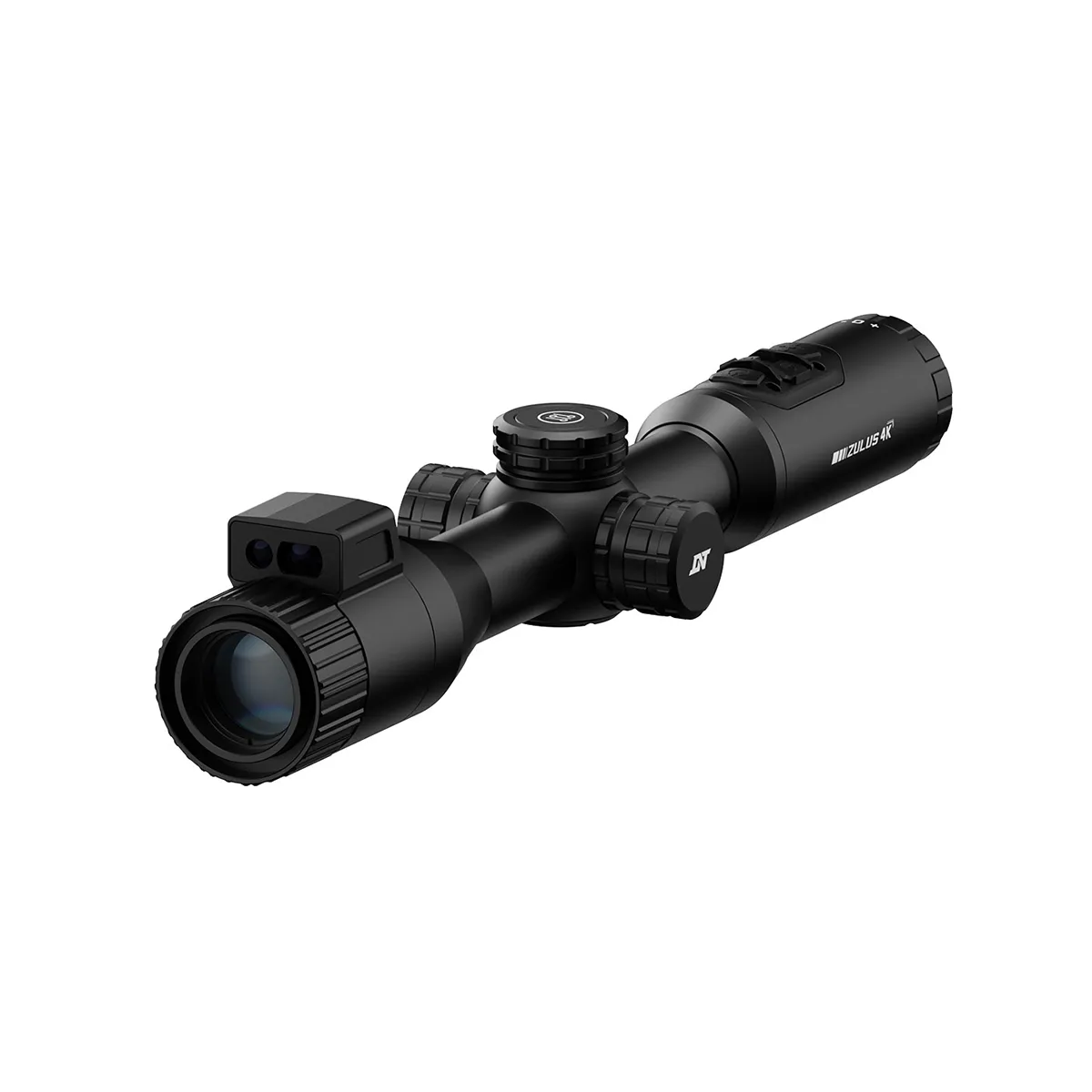
Thermal Imaging for Hunting & Pest Control
Key features:
Longer detection range
Clear image detail
Fast refresh rate
Optional rangefinding or reticle features
Thermal imaging is widely used for spotting quarry efficiently and safely in low-visibility conditions.
Thermal Imaging for Search & Rescue
Key features:
Excellent thermal sensitivity
Reliable battery life
Rugged, weather-resistant build
High contrast imaging
Thermal devices are invaluable for locating people quickly in poor visibility or difficult terrain.
Thermal Imaging for Land Surveying & Professional Use
Key features:
High resolution sensors
Accurate temperature differentiation
Data recording and connectivity options
Used across forestry, ecology, surveying, and inspection work.


Thermal Imaging Camera FAQ's
17 micron vs 12 micron thermal sensors
A 12-micron thermal sensor has smaller pixel pitch than a 17-micron sensor, allowing more pixels in the same sensor size. This results in increased image detail and longer detection range performance from a thermal imaging camera. 17-micron sensors and physically larger and have a larger pixel pitch which can gather more IR transmission, making them more sensitive without the addition of software algorythms.
Is thermal imaging better than night vision?
Thermal imaging is better for detection in total darkness or poor visibility, while night vision is better for identifying visual detail when some light is available.
How far can thermal imaging see?
Detection distances can exceed several hundred metres depending on the device, but identification distances are shorter and depend on sensor resolution, lens size, and thermal sensitivity.
Field of view or detection range?
Field of view (FOV) in thermal cameras defines the angular scope of the captured scene, impacting image width and context. Detection range reflects the distance at which objects can be identified, depending on clarity and conditions. Key factors affecting both FOV and detection range include lens size, sensor resolution, and pixel pitch. A wider FOV may sacrifice range for broader coverage, while a narrower FOV enhances detail but limits scope, balancing visibility and precision in thermal imaging applications. To summarise the highest resolution sensors like 640, 1024 and 1280 pixel size, provide the best field of view even with larger lenses, although using a much smaller lens on lower resoltuion sensor can provide similar FOV, detection range is reduced dramatically due to lens size.
netD thermal sensitivity, what is it ?
Thermal imaging NETD (Noise Equivalent Temperature Difference) sensitivity gauges a camera's precision in detecting tiny temperature variations, crucial for sharp imaging in low-contrast settings. A 20mK NETD sensor, with its exceptional sensitivity, can discern temperature differences as minute as 0.02°C, delivering unparalleled clarity. This high-performance capability excels in demanding applications like search and rescue, wildlife monitoring, and advanced diagnostics, where detecting subtle thermal signatures through fog, smoke, or darkness is essential for mission success.
Does lens size matter?
Yes. Larger lenses provide longer detection distances but narrower fields of view, while smaller lenses offer wider viewing areas for scanning.
Can thermal imaging see through walls or glass?
Thermal imaging cannot see through solid walls or standard glass. Glass reflects heat rather than allowing it to pass through.
Explore Thermal Imaging Products
Once you understand the key features, the next step is choosing the right product type for your needs.
Explore our full range of:
Thermal Rifle Scopes
Each category offers devices designed for specific applications, budgets, and experience levels.
Final Thoughts
Thermal imaging is a powerful tool when chosen correctly. By understanding how the technology works and which specifications matter most, you can invest confidently in equipment that delivers reliable performance in real-world conditions.
If you need advice selecting the right thermal imaging device, our team at Blackwood Outdoors is always available to help.
Ready to choose the right thermal imaging device?
Explore our full range of [Thermal Imaging Equipment →] .