ORDERS OVER £95 ARE SHIPPED FREE








Filter by Brand













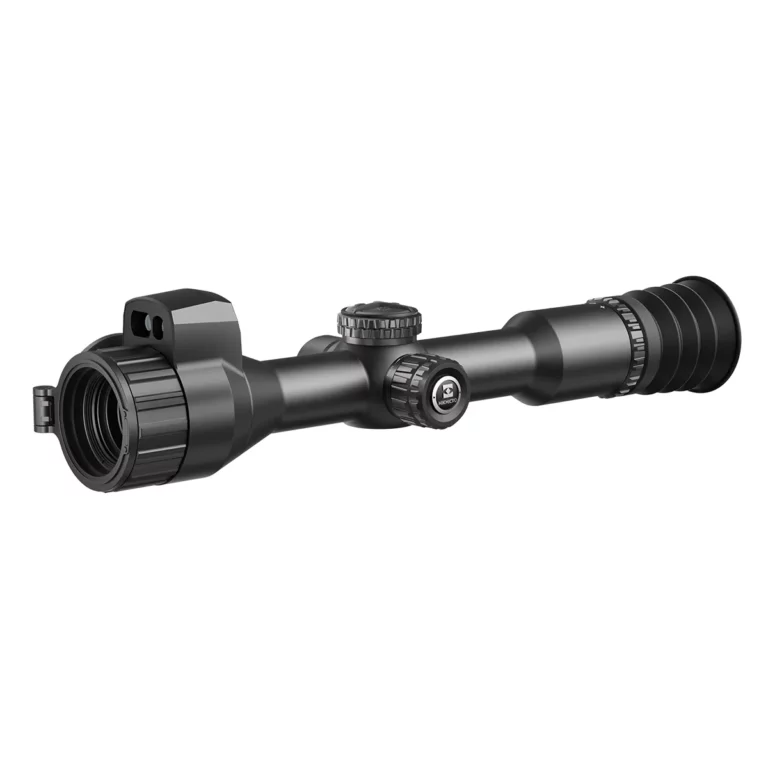
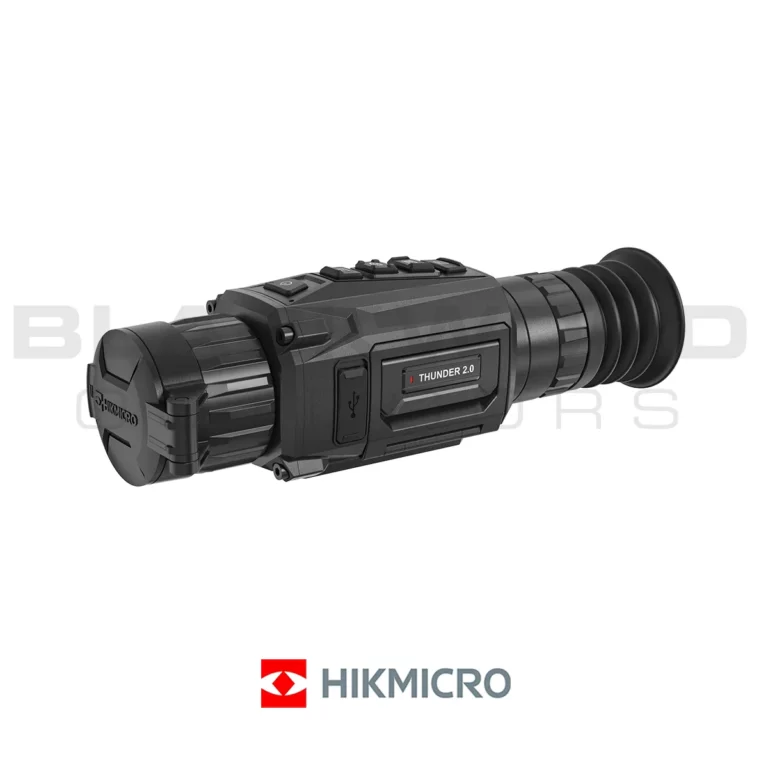
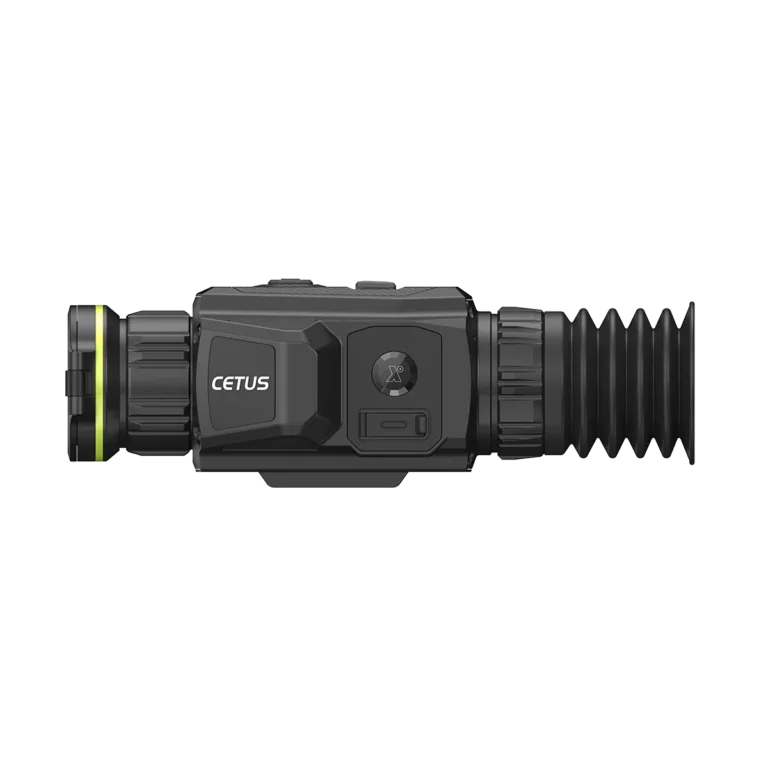
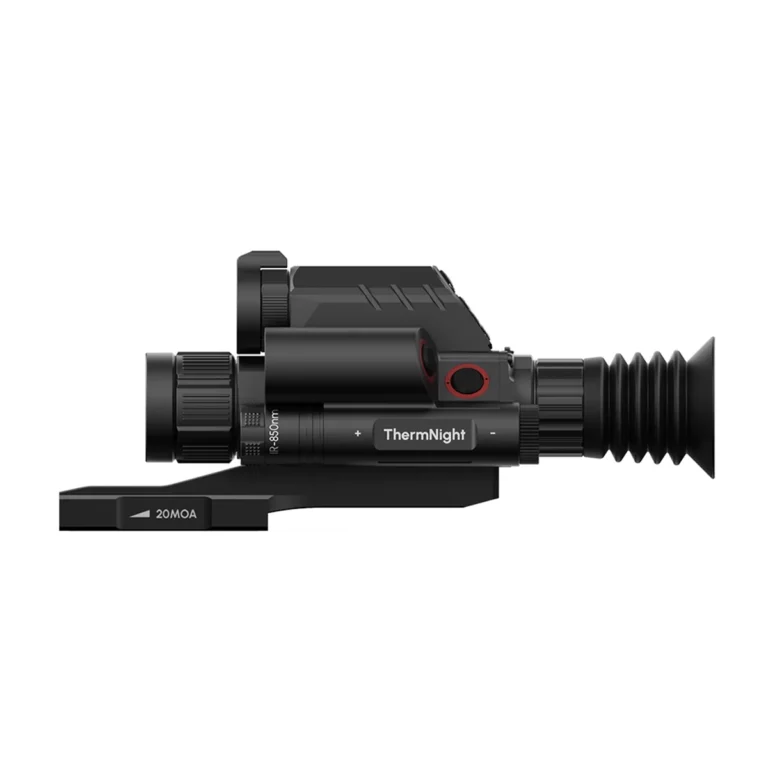
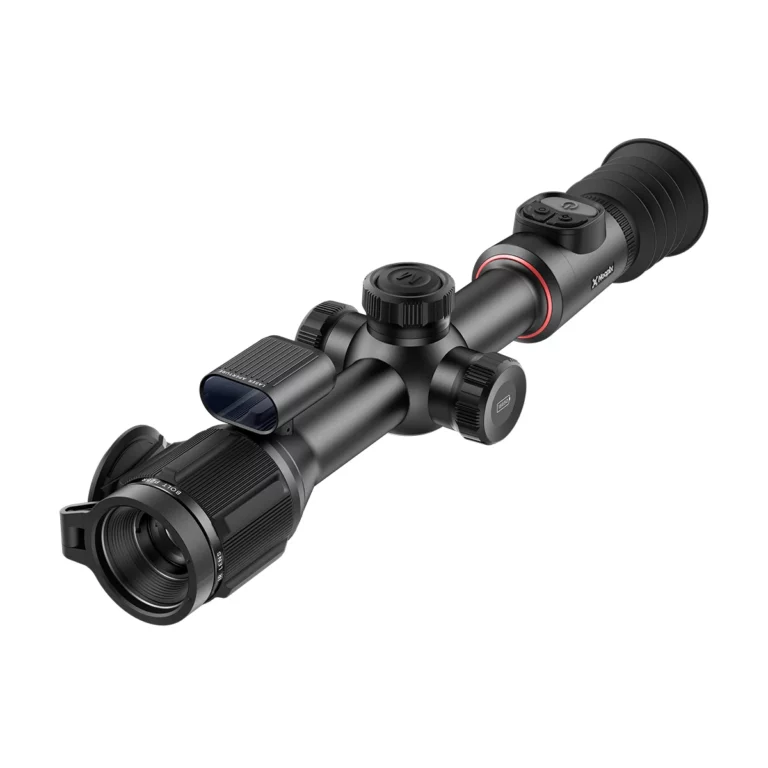
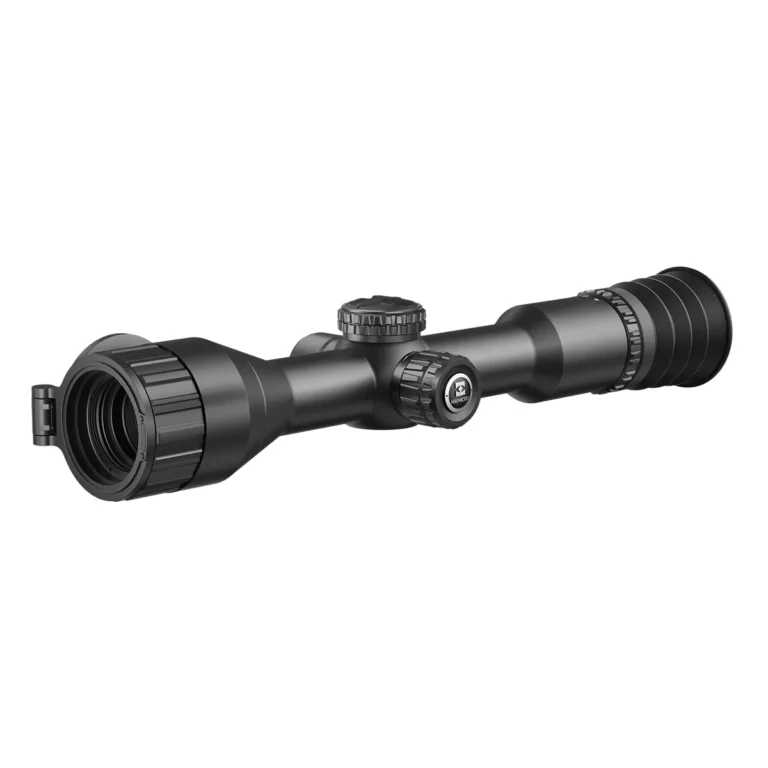
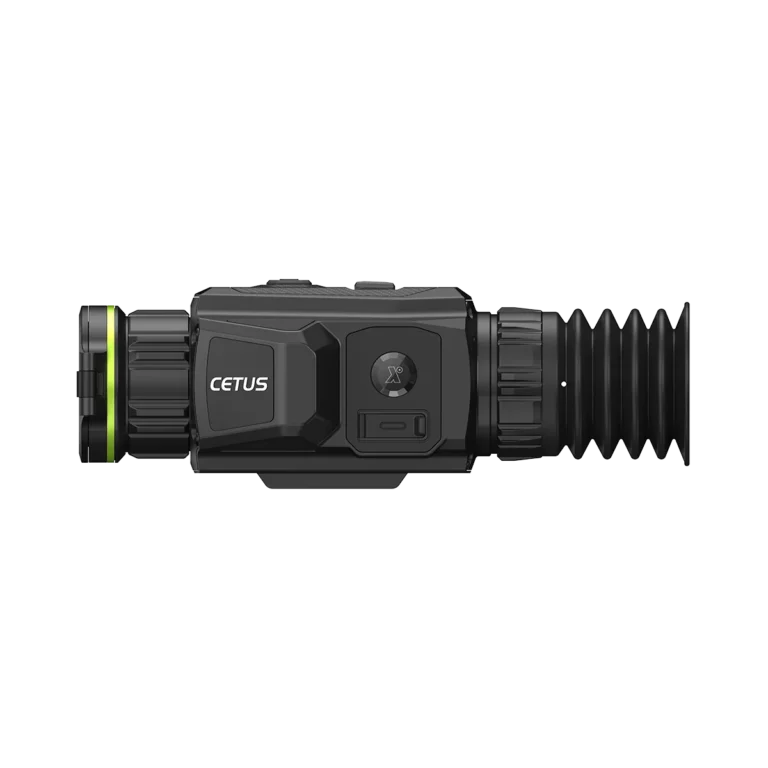
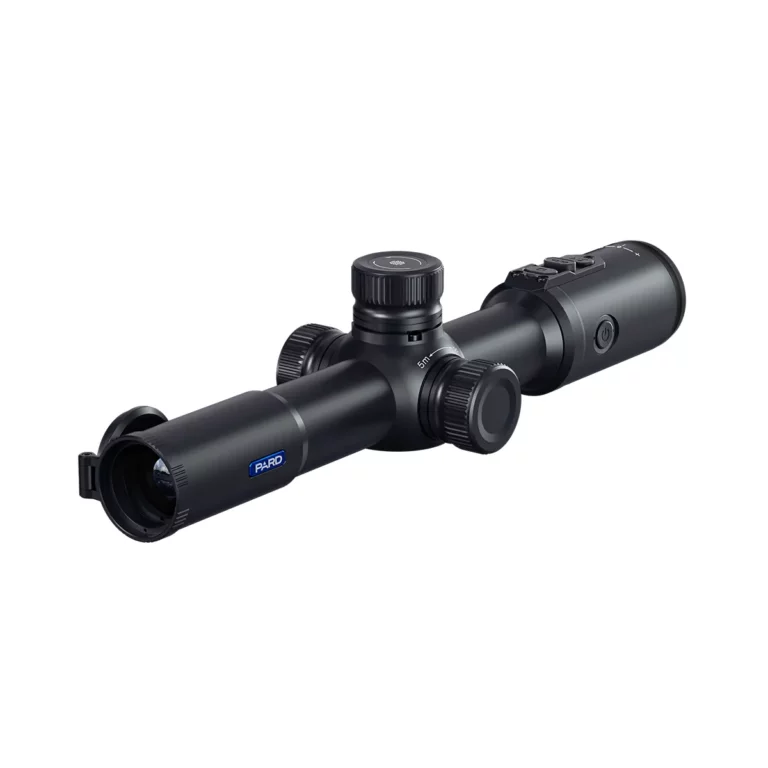
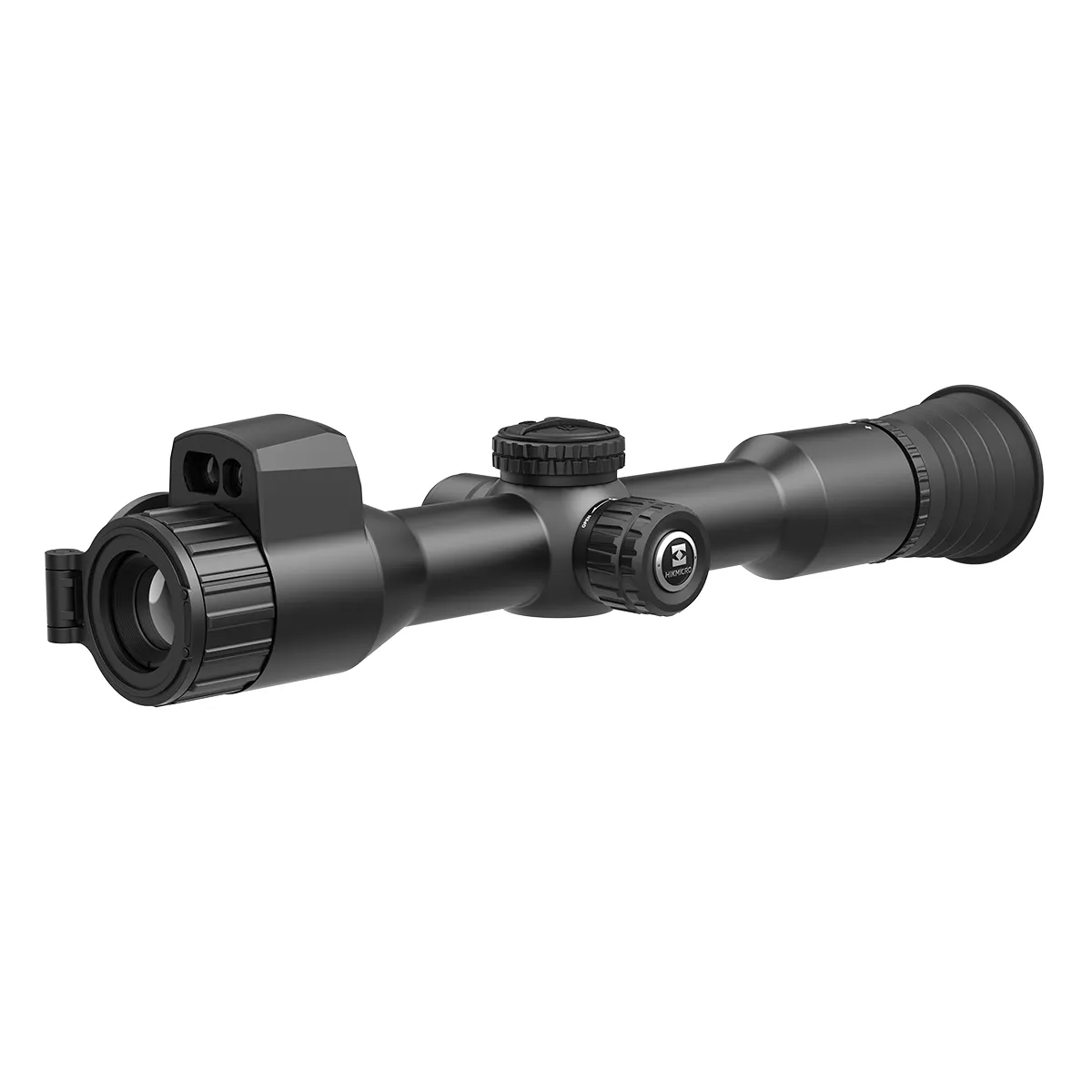
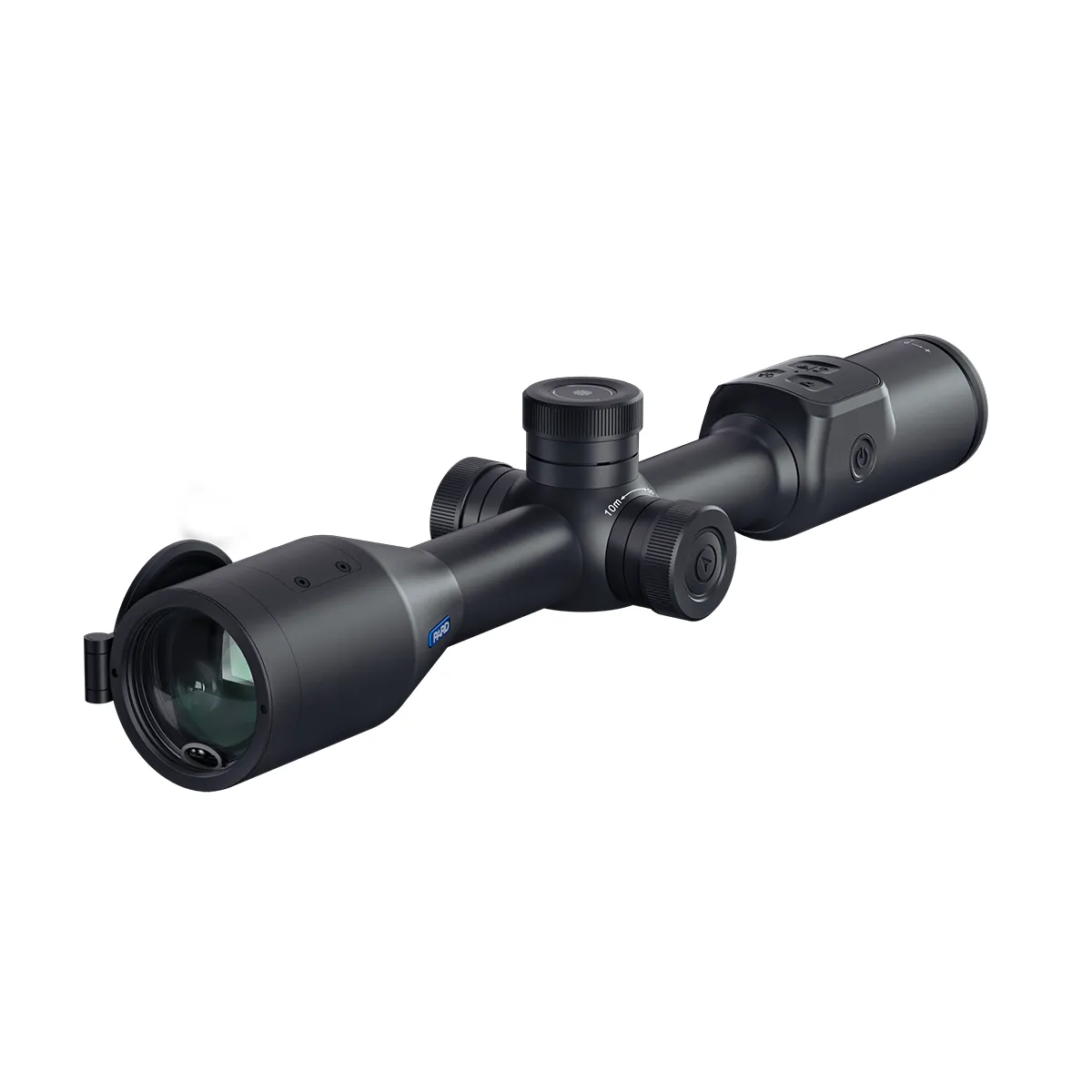
Pard Pantera Mini 256 Q Thermal Scope
Original price was: £739.00.£599.00Current price is: £599.00. £499.17 ex.vat
ORDERS OVER £95 ARE SHIPPED FREE
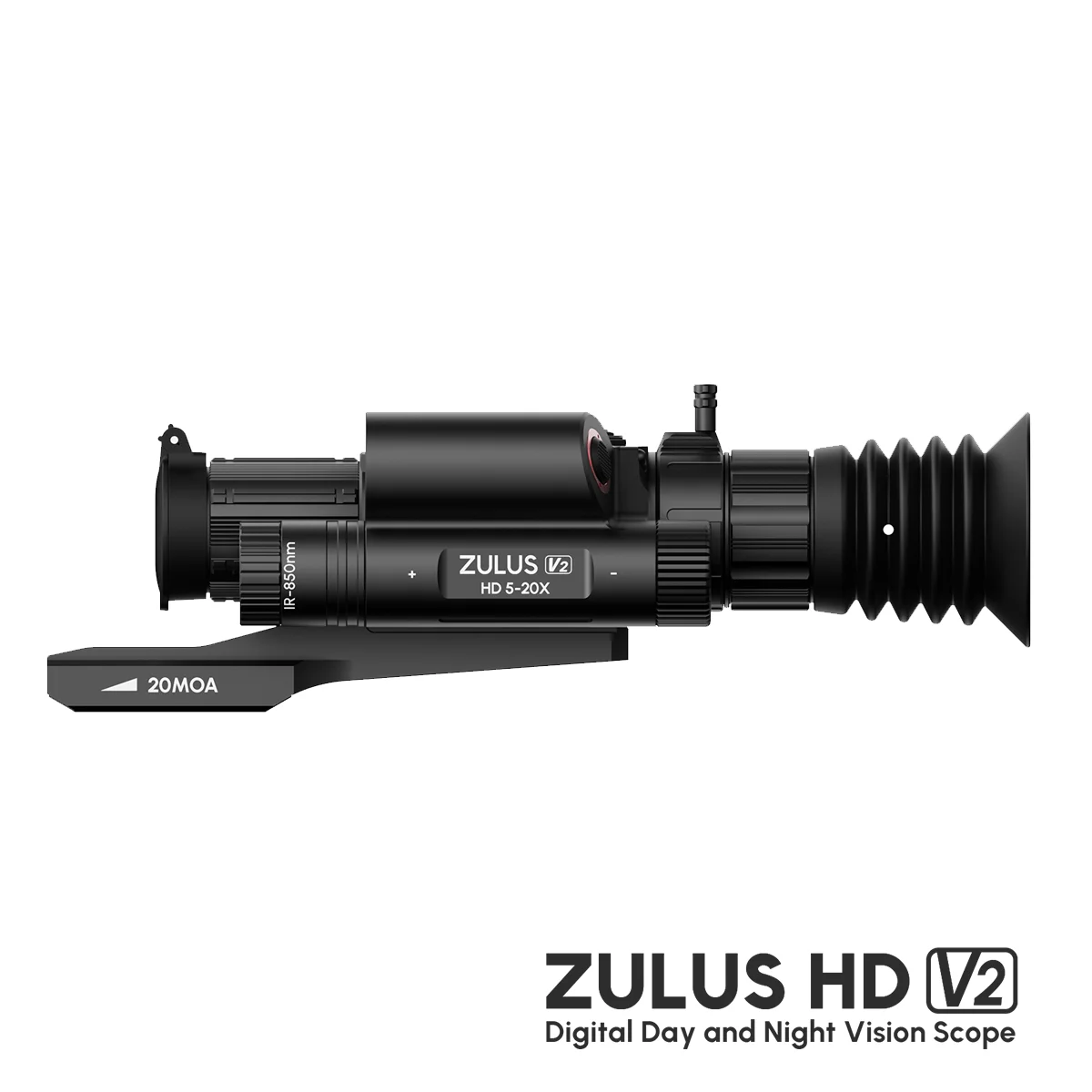
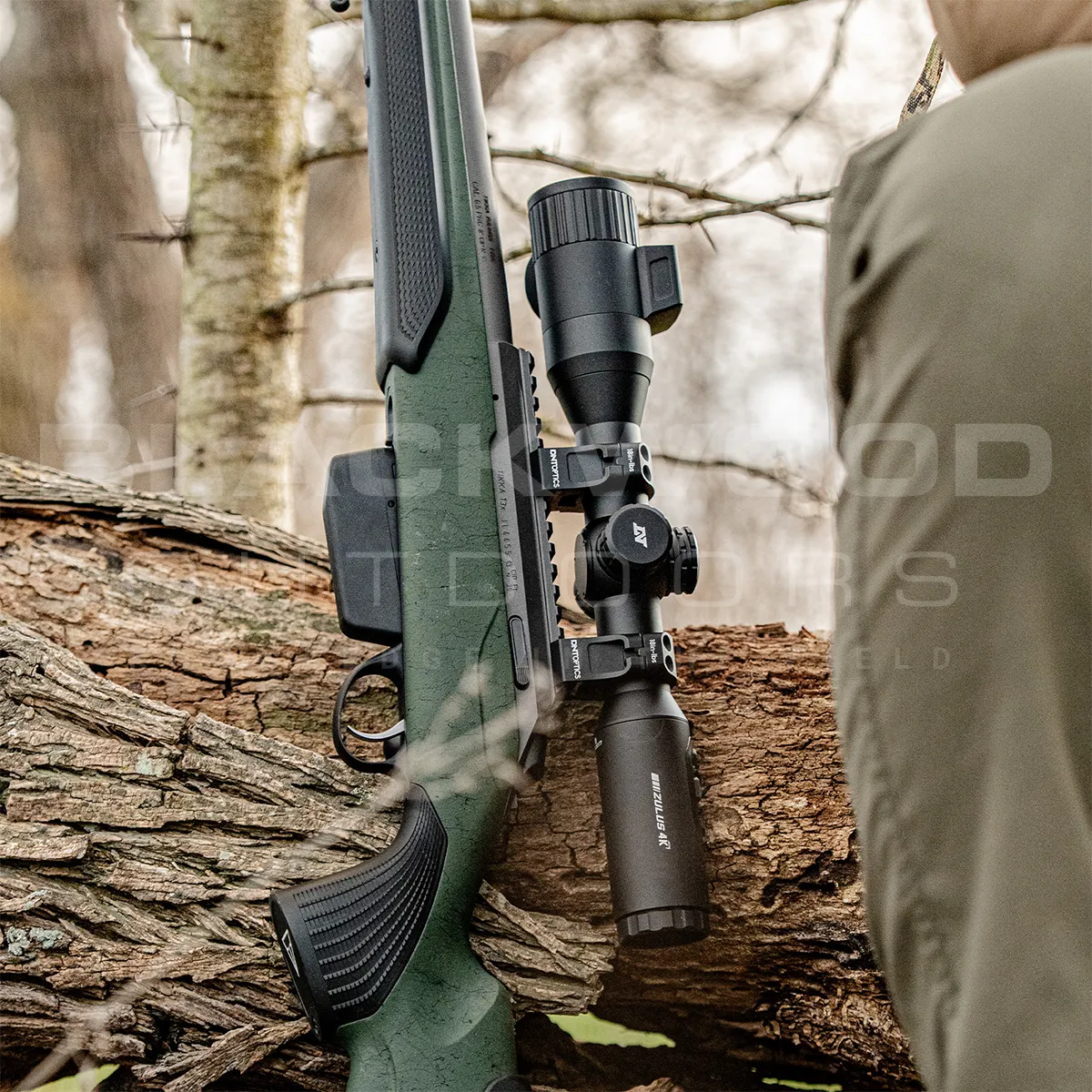
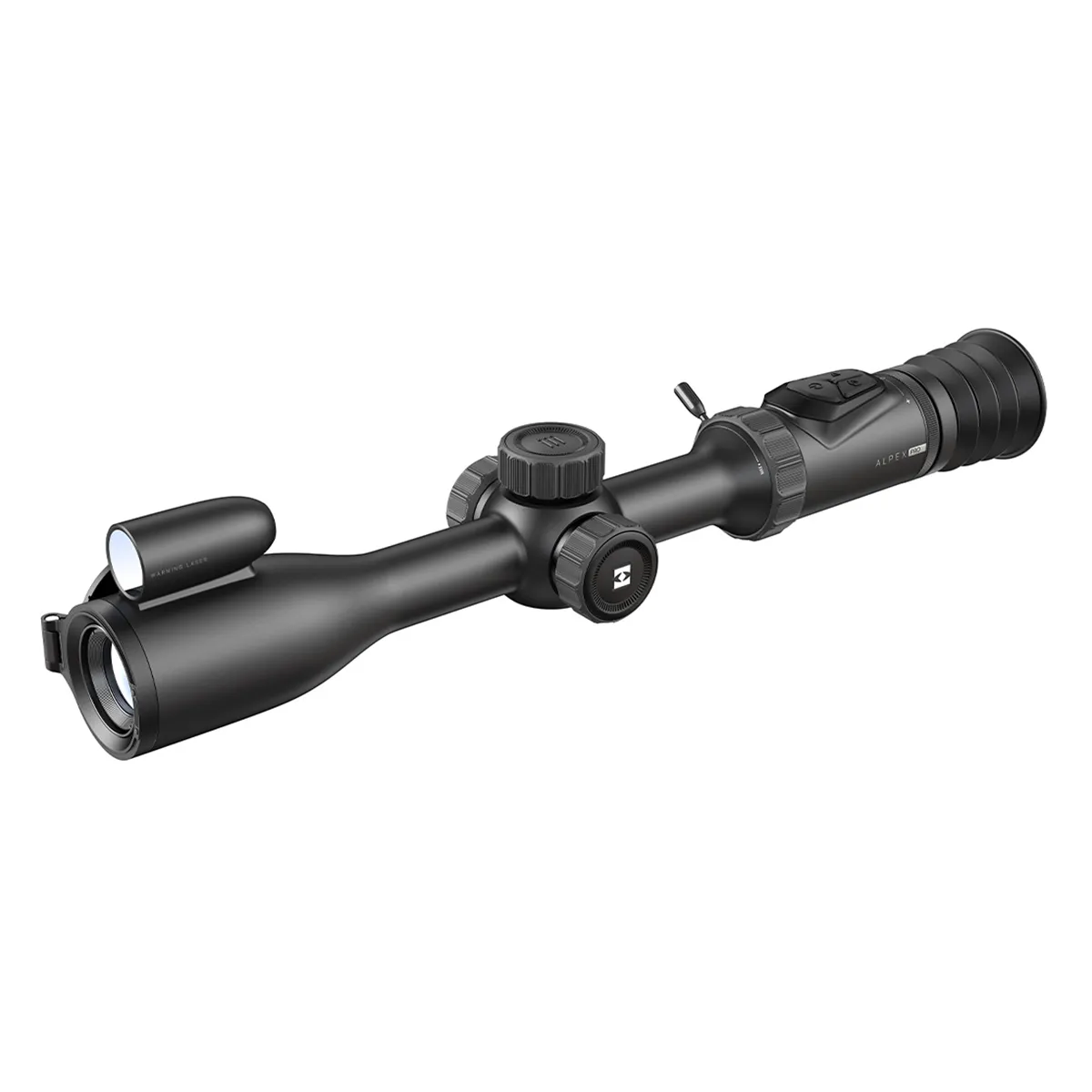
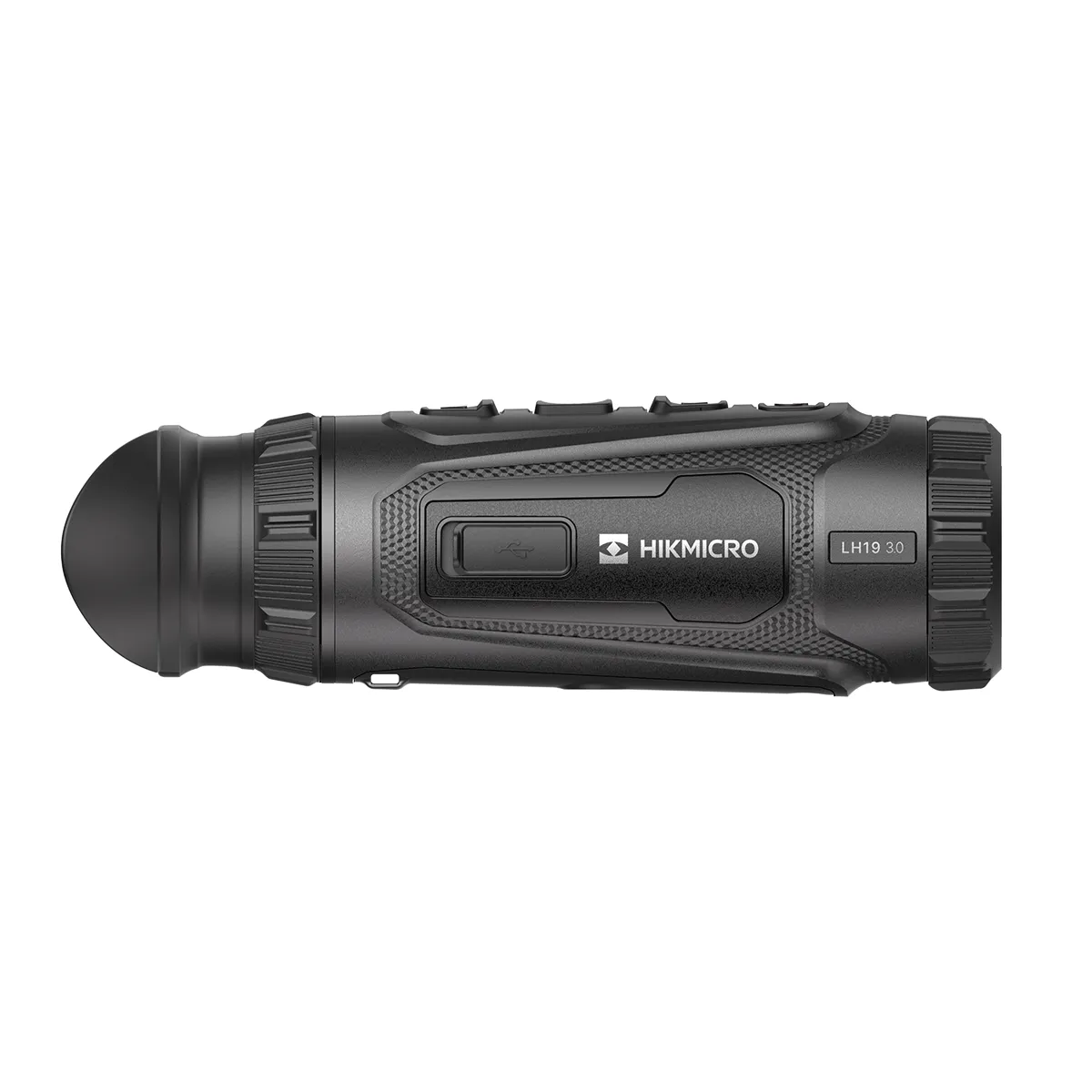
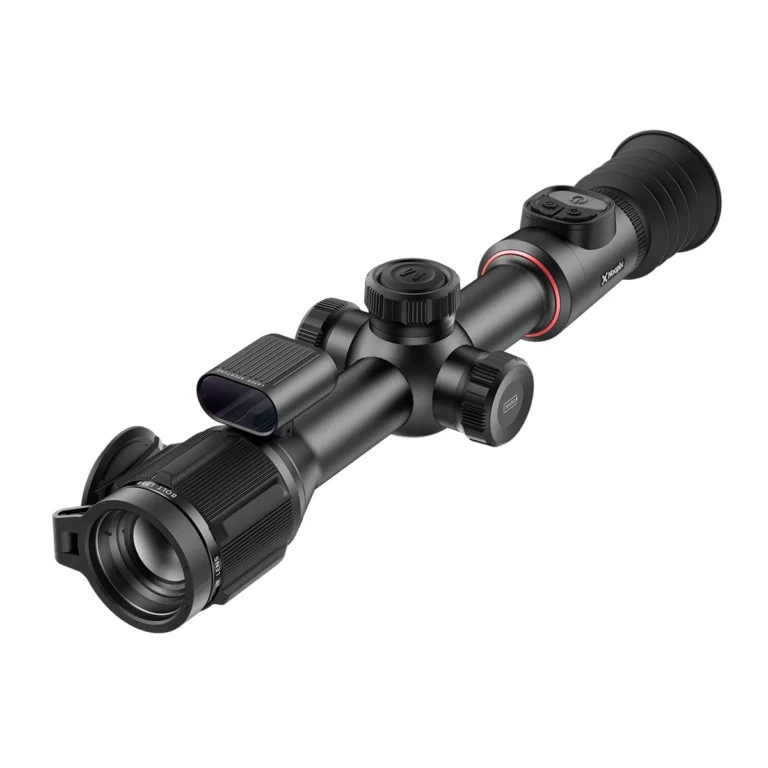
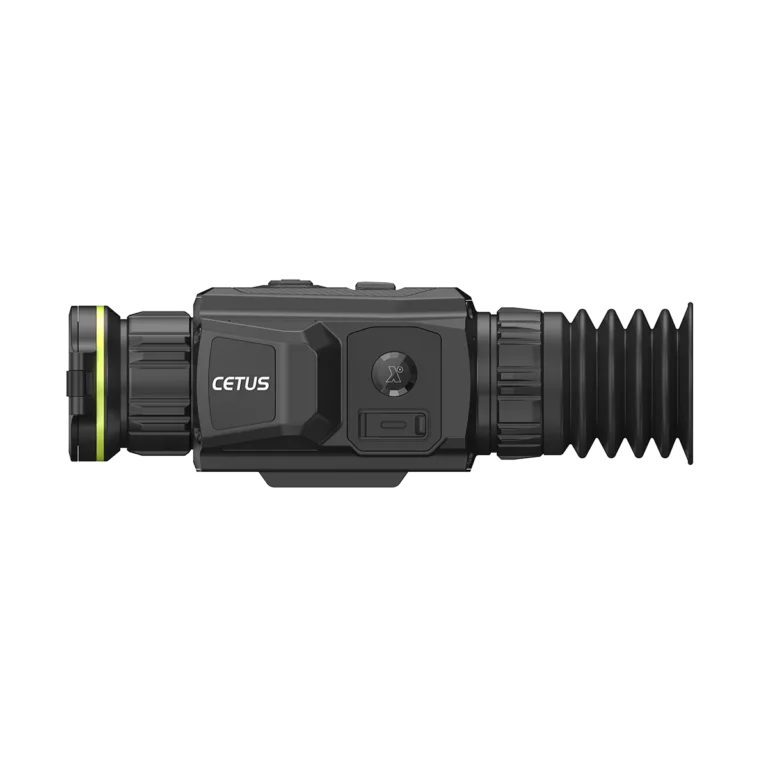
A thermal scope detects heat signatures from animals, people, or objects and displays them as a thermal image, allowing you to see in complete darkness, through smoke, fog, and light brush.
Yes. Unlike night vision, thermal scopes do not rely on ambient light. They work equally well in daylight and darkness.
Night vision amplifies available light (like moonlight or IR), while thermal scopes detect heat. Thermal scopes are more effective in complete darkness or when there’s camouflage.
Detection range varies by model. Entry-level scopes may detect up to 1,000m, while premium scopes can detect heat signatures at 3900m or more.
Yes, thermal scopes are legal to own and use for hunting, pest control, and observation. However, always check local laws and landowner permissions before use.
Many modern thermal scopes include onboard recording, Wi-Fi streaming, and snapshot features. This allows hunters to review hunts and share footage.
Battery life varies depending on the scope and usage. On average, expect between 5–10 hours of operation on a single charge or set of batteries.
Yes. Heavy rain, dense fog, or extreme humidity can slightly reduce thermal clarity, though thermal scopes still perform better than night vision in such conditions.
Thermal scopes are generally low maintenance. Keep the lens clean, protect the unit from impacts, and update firmware when available.
For woodland pest control, lower magnification (1–3x) is ideal for wider fields of view. For long-range spotting, higher magnification (4–12x) works better.